



Ultrahuman has launched its third-generation smart ring, the Ultrahuman Ring Pro, alongside a new biointelligence AI platform called Jade. The new ring comes with upgrades in battery life, durability, and processing, while Jade introduces a real-time intelligence layer designed to interpret health data across Ultrahuman’s ecosystem.
The Ultrahuman Ring Pro is priced at $479. It comes in Bionic Gold, Space Silver, Aster Black, and Raw Titanium finishes, and is available in sizes 5 to 14. The smart ring is currently available for global pre-order, excluding the United States, with shipments scheduled to begin in March. Ultrahuman is also offering trade-in discounts of up to $115 for eligible existing smart ring users.
Titanium design and upgraded internal hardware
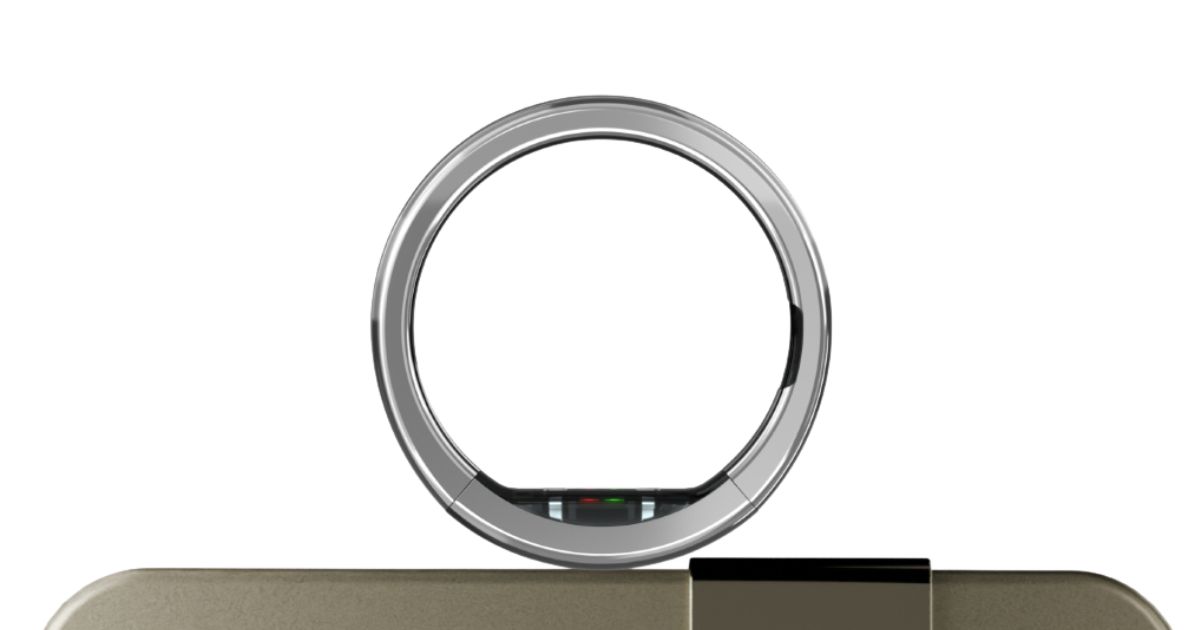
The Ultrahuman Ring Pro features a titanium unibody construction, which is said to improve durability while keeping the ring lightweight. The company has redesigned the heart rate sensing system, claiming better signal quality, particularly during sleep and recovery tracking.
Under the hood, the ring uses a new dual-core processor with on-chip machine learning. This is said to enable faster processing and improve measurement accuracy. While these upgrades may not sound exciting on paper, I feel that they do address some of the key limitations of earlier smart rings, where accuracy and processing speed often depended on syncing with the smartphone.
In my view, this is an important step. Wearables are becoming more independent, and improving onboard processing reduces reliance on apps and improves real-time feedback.
Battery life gets a big boost
Battery life seems to be one of the biggest highlights of the Ultrahuman Ring Pro. The company claims the ring can last up to 15 days on a single charge, which is way higher compared to most smart rings available in the market.
Furthermore, the ring also includes onboard storage capable of saving up to 250 days of health data. This means users can continue tracking their health even if they don’t sync the ring regularly.
The Pro Charging Case extends usability further, offering up to 45 days of battery life. It supports Qi wireless charging and uses UltraSnap charging technology for magnetic alignment and efficient charging with less heat.
The charging case also includes Find My Case support, with an integrated speaker, LED indicators, and haptic feedback.
ProRelease safety feature and durability improvements
Ultrahuman has also introduced a feature called ProRelease Technology. This allows the ring to be cut apart more easily in case of finger swelling or injury.
While this may not be a frequently used feature, it addresses a real concern with smart rings. Since these devices are worn continuously, safety and emergency removal are important considerations.
Jade AI brings real-time health intelligence
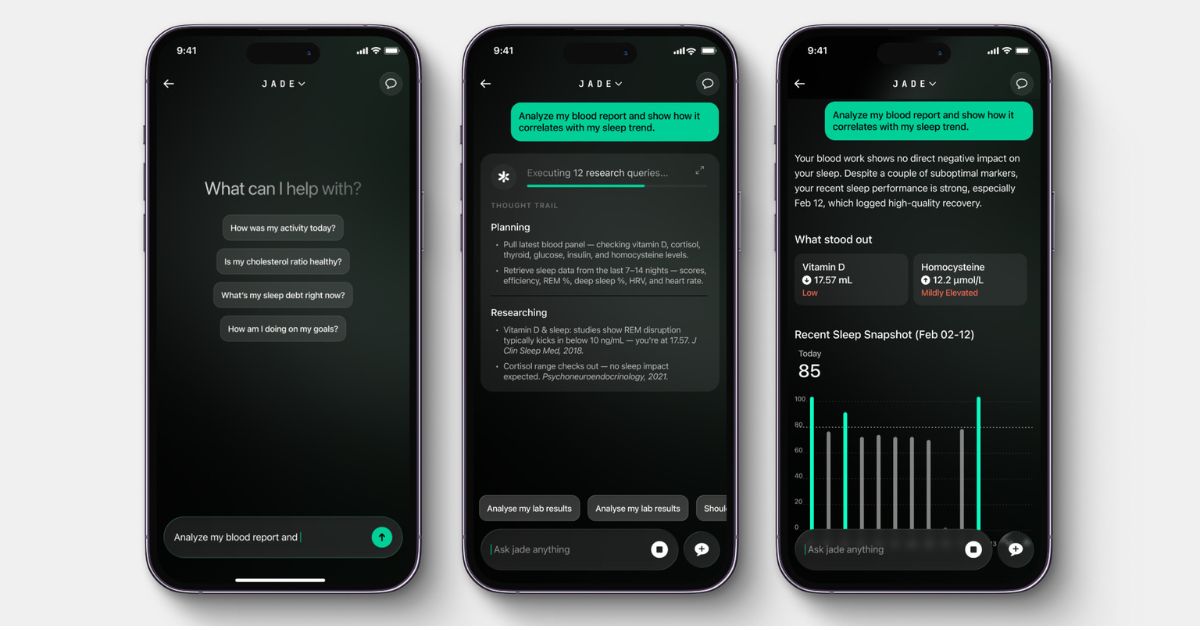
Alongside the Ring Pro, Ultrahuman introduced Jade, a biointelligence AI platform designed to generate real-time and actionable insights.
Unlike traditional AI health tools that mainly analyze past data, Jade can actively trigger actions such as breathwork sessions, detect AFib patterns, and identify health trends. It integrates data from multiple Ultrahuman products and services, including:
- Smart ring data
- Blood Vision biomarkers
- Continuous glucose monitor data
- Environmental inputs
Jade includes Standard and Deep Research modes, with the latter offering broader ecosystem-level analysis.
Importantly, Jade is being rolled out as a platform upgrade to all Ultrahuman users globally, including those in the US.
PowerPlugs ecosystem expands personalized tracking
Ultrahuman also highlighted its PowerPlugs platform, which provides personalized health tracking tools based on user goals.
These include features like AFib detection, caffeine timing recommendations, respiratory tracking, migraine insights, pregnancy tracking, and circadian rhythm monitoring.
This approach reflects a shift happening across the wearables industry. Companies are moving from generic tracking toward personalized health guidance.
In my opinion, this ecosystem approach could become Ultrahuman’s biggest differentiator. Since the smart ring hardware alone is easy to replicate, but building a connected health intelligence platform is much harder.