



A new smart ring patent from Charmcare has surfaced on the World Intellectual Property Organization (WIPO) website, revealing a design focused on improving the accuracy of health tracking in wearable rings. The patent listing describes a ring that can measure blood pressure, pulse, blood oxygen, and more.
Charmcare is already selling multiple health wearables, including blood pressure monitors and pulse oximeters, suggesting the company is expanding its portfolio into smart rings.
Adjustable inner design to improve accuracy
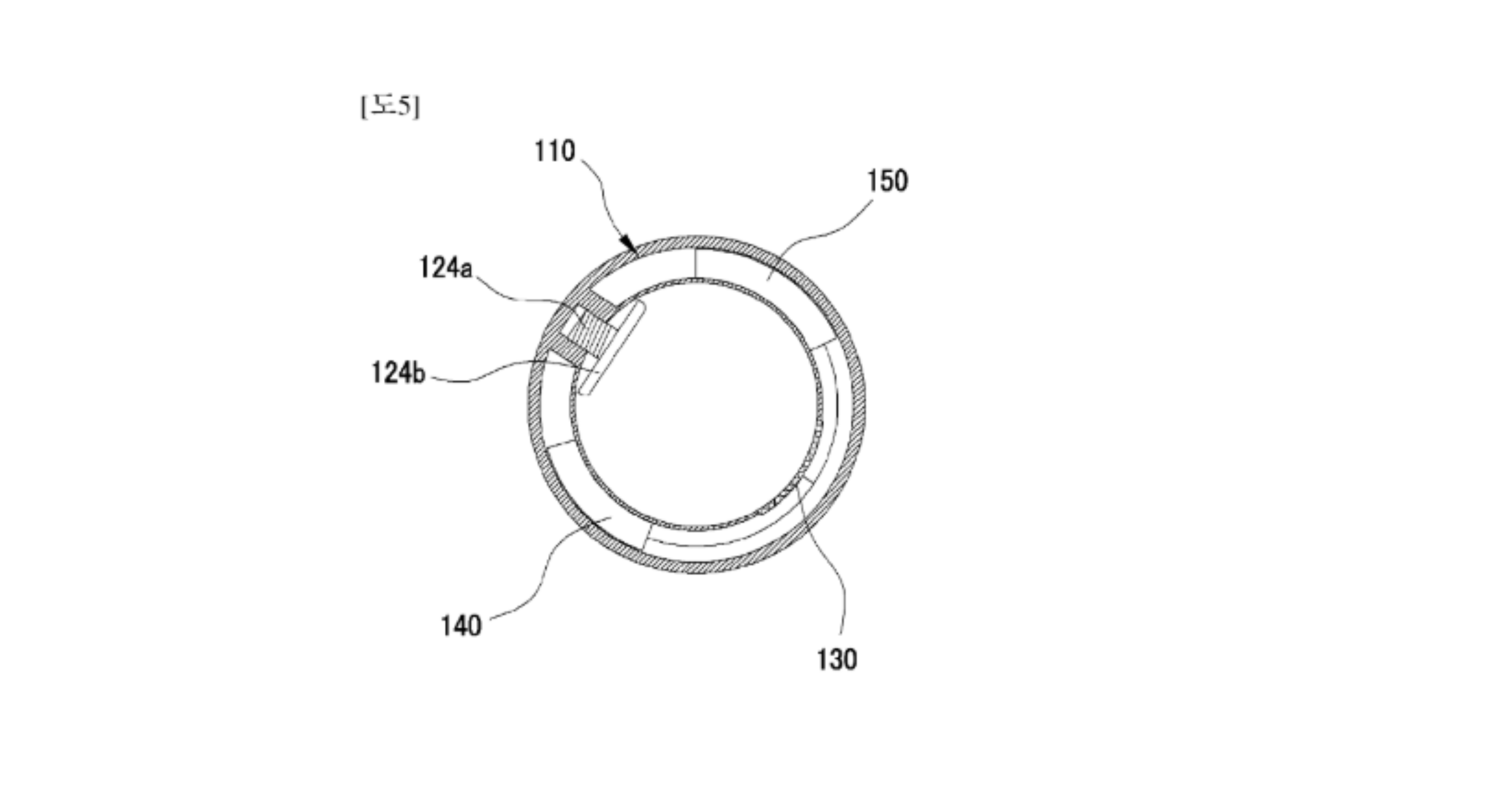
The patent describes a ring that looks like a standard smart ring but includes a special structure on the inner side. This structure is a small protruding component that presses against the finger when the ring is worn. The sensor is positioned on the opposite side, and this pressure helps keep the sensor closely aligned with the artery. The goal is to improve the accuracy of readings, especially for blood pressure, which remains difficult to measure reliably in compact wearable devices.
What makes the design more interesting is that the patent outlines multiple ways to achieve this pressure mechanism. One version uses elastic materials like rubber or sponge that naturally press against the finger and adjust based on its shape. Another version uses a spring-loaded system that constantly applies controlled pressure. There is also a more advanced design that uses a screw-based mechanism, allowing users to manually adjust how much pressure the ring applies. This could allow users to fine-tune the fit and potentially improve measurement accuracy based on their comfort and finger size.
Multiple health sensors and wireless connectivity
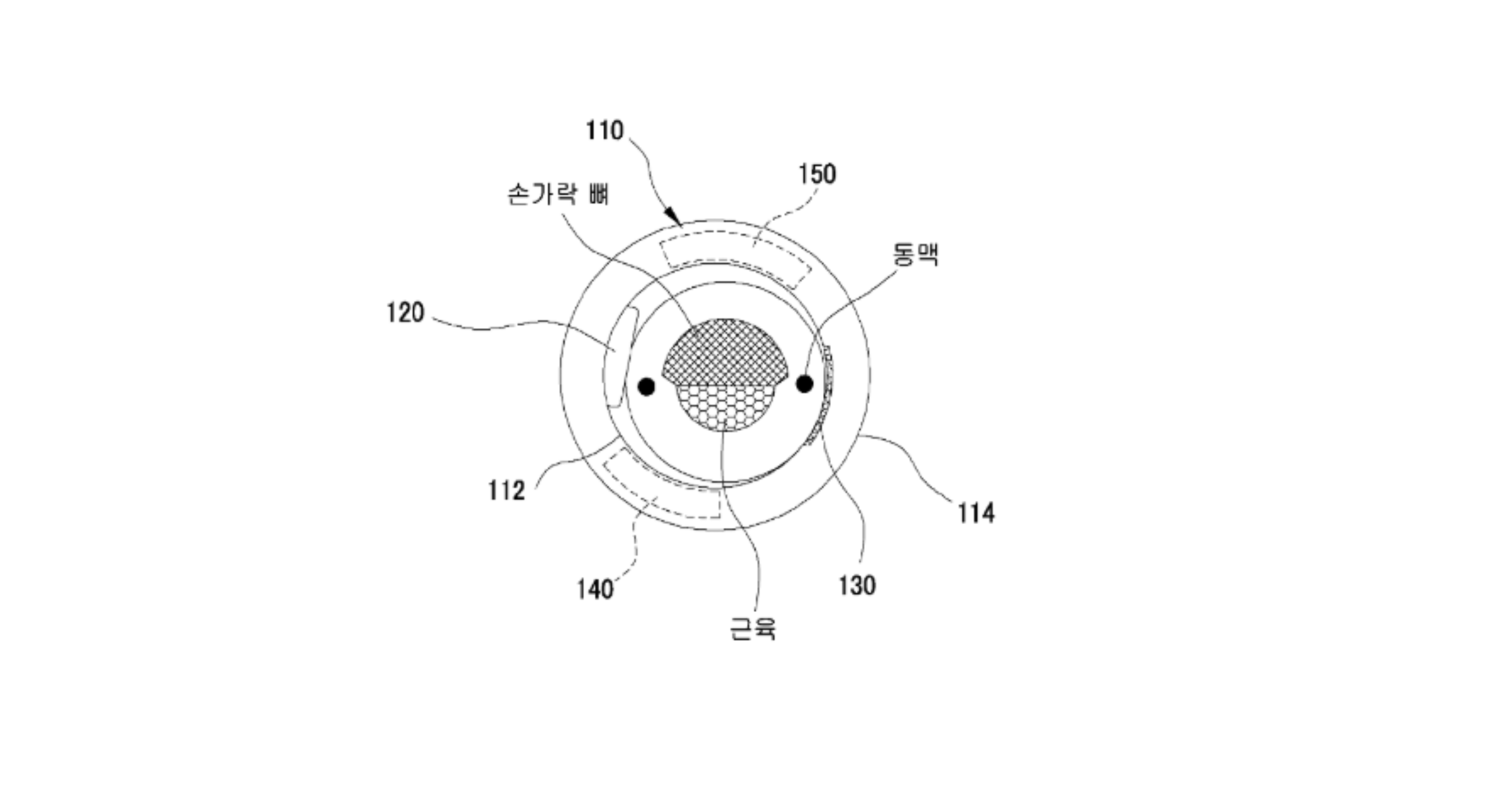
According to the patent, the smart ring includes several sensors that can measure a range of biometric signals. These include optical, pressure, photoplethysmography (PPG), temperature, and oxygen saturation sensors. Together, these sensors can track blood pressure, heart rate, blood oxygen levels, body temperature, and blood flow-related signals. The patent also mentions a current sensor for measuring bio-impedance, which could be used for more advanced health monitoring.
The ring is designed to connect wirelessly to external devices such as smartphones and tablets. These connected devices can receive the health data collected by the ring, analyze it, and display it to the user. The patent also mentions that the ring may include a display or LED indicator on its outer surface to show information such as battery status, power state, or health-related alerts.
Blood pressure tracking is still a challenge
One of the biggest challenges for smart rings today is measuring blood pressure accurately without using traditional cuffs. Most existing smart rings focus on heart rate, sleep, and activity tracking, but reliable blood pressure monitoring remains limited. This patent suggests that applying controlled physical pressure directly on the artery could be one way to solve that problem. If implemented successfully, this approach could improve the reliability of health tracking in smaller wearable devices like rings.
The filing also highlights that the ring includes a processor to analyze the sensor data and a built-in battery to power the system. The processor can process the biometric signals and send them to connected devices using wireless communication technologies such as Bluetooth and ultra-wideband.
That said, it is important to note that this is just a patent filing for now. There is no confirmation that the company plans to launch a commercial product based on this design, and, as with many patents, some features may never make it into an actual device.