



Samsung has filed a new patent that reveals a redesigned hinge housing for foldable device. The patent describes a hinge structure with a dedicated internal recess, which could help improve structural stability and protect internal components in foldable form factors.
According to the patent filing published on the WIPO database, Samsung is working on a foldable electronic device comprising a hinge housing, multiple hinge structures, and a display supported by the hinge assembly. The hinge housing includes a first housing, a second housing, and at least one hinge structure connecting them, allowing the device to fold and unfold.
New hinge housing includes internal recess
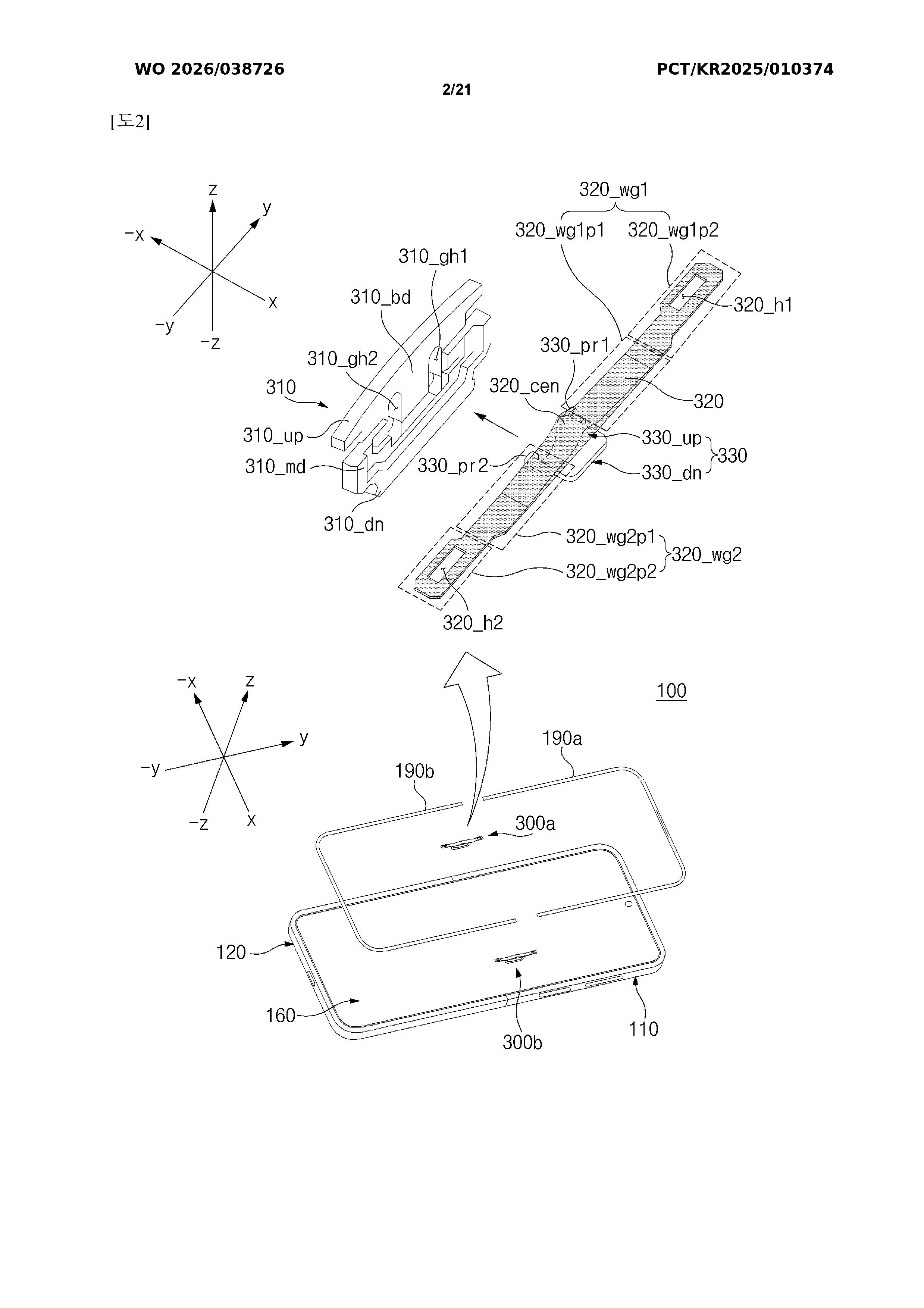
One of the key highlights of the patent is the presence of a recess formed inside the hinge housing. This recess is positioned between structural components and is designed to accommodate internal elements when the device is folded.
The patent explains that this recess is created by combining different structural portions, including a first portion connected to the first housing and a second portion connected to the second housing. This arrangement creates an empty space within the hinge housing assembly.
This internal space appears to play a role in supporting the folding operation and managing how components are positioned during movement.
Multiple hinge structures support folding motion
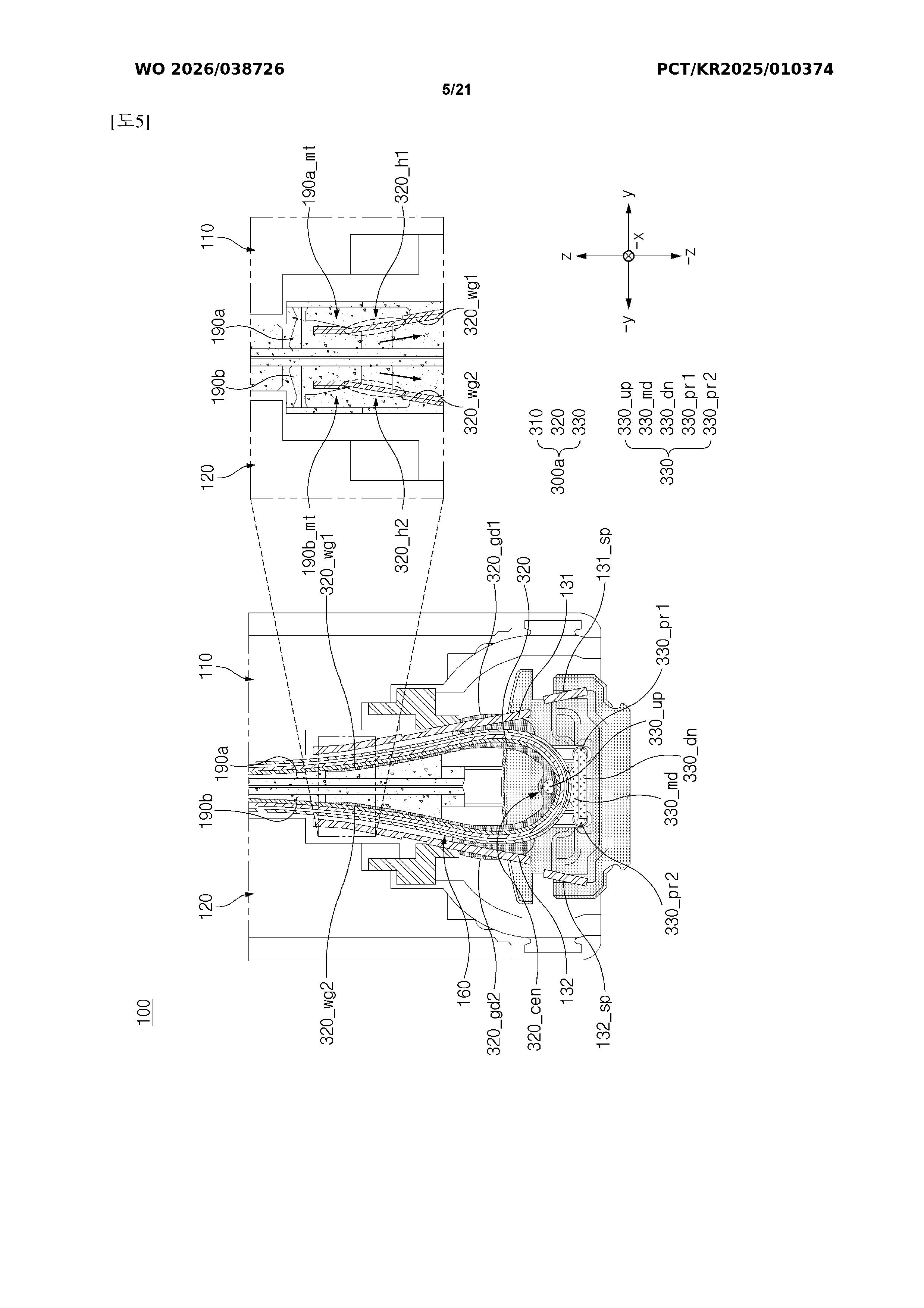
The patent also mentions that the device may include one or more hinge structures connected to the housings and the display. These hinge structures are responsible for:
- Supporting the foldable display
- Enabling folding and unfolding movement
- Connecting different housing sections
The hinge structures are connected to both the housings and the display, allowing the display to bend while remaining supported by the hinge mechanism.
What this means
This patent suggests that Samsung is continuing to explore new hinge housing designs for foldable devices. The inclusion of a recess inside the hinge housing and the use of multiple hinge structures indicate a focus on improving the structural arrangement of foldable devices.
As with all patents, there is no confirmation that this exact design will be used in a next Galaxy foldables. However, it does give some insight into Samsung’s ongoing work on foldable device hinge mechanisms.