



India is hosting an AI Impact Summit 2026, where several global leaders and innovators are showcasing their latest AI developments. While we all know about the controversial robodog, and the developments showcased by giants like OpenAI and Google. However, in this article, I am going to focus on the hardware devices being presented at the summit. So lets take a quick glance at the AI gadgets that are gaining popularity at the ongoing India AI Impact Summit 2026.
Sarvam Kaze

This must be the most talked-about AI hardware from the summit. Its a pair of AI-powered smart glasses developed by Indian startup Sarvam AI. The company showcased the glasses at Bharat Mandapam in New Delhi, and the device grabbed attention when Prime Minister Narendra Modi tried them on during the expo.
However, the interesting part is that the Sarvam Kaze integrates the AI models directly on the wearable device and does not rely on a phone or a laptop. While its still in its pre-launch phase, but its expected to make its debut later this year.
JioFrames
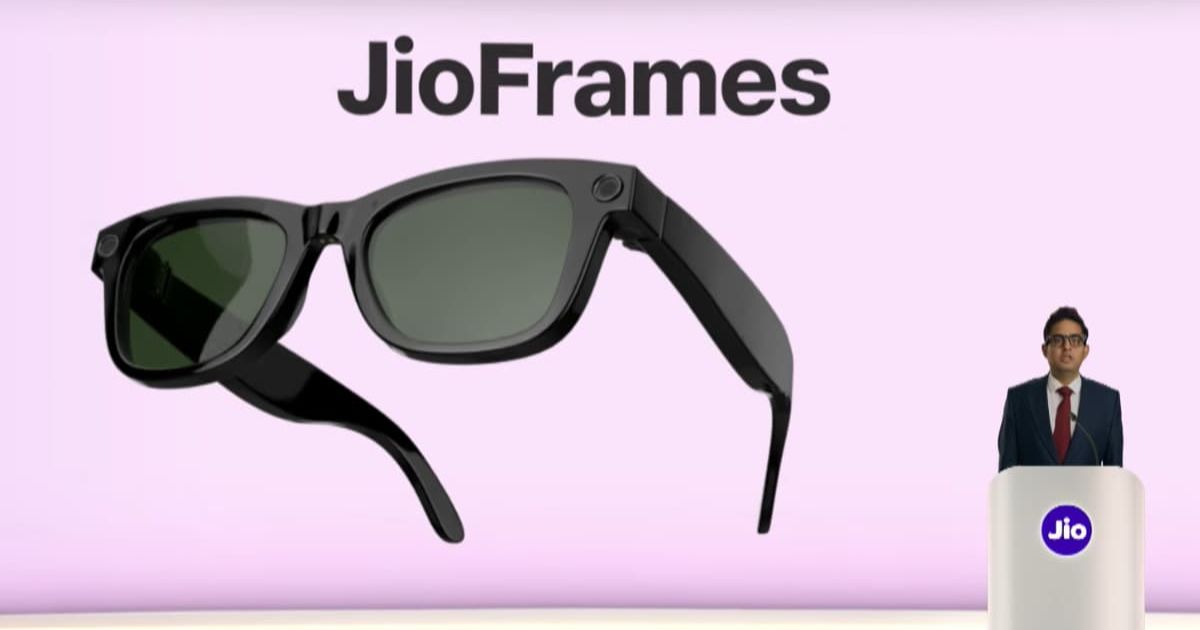
The second on the list is also a pair of smart glasses. The JioFrames, which come with a built-in camera and speakers with AI capabilities like voice interaction and real-time translation. The glasses are designed to support multiple Indian languages and aim to become your hands-free companion for everyday tasks, from capturing HD photos and videos to providing live translation and contextual suggestions through an AI assistant.
While the company has not revealed any price or availability details. Looking at the company’s past strategy i am expecting these glasses to be comparatively more affordable than the Ray-Ban Meta glasses. But until we get some sort of official confirmation from the company itself, take all details with caution.
Qualcomm Humanoid
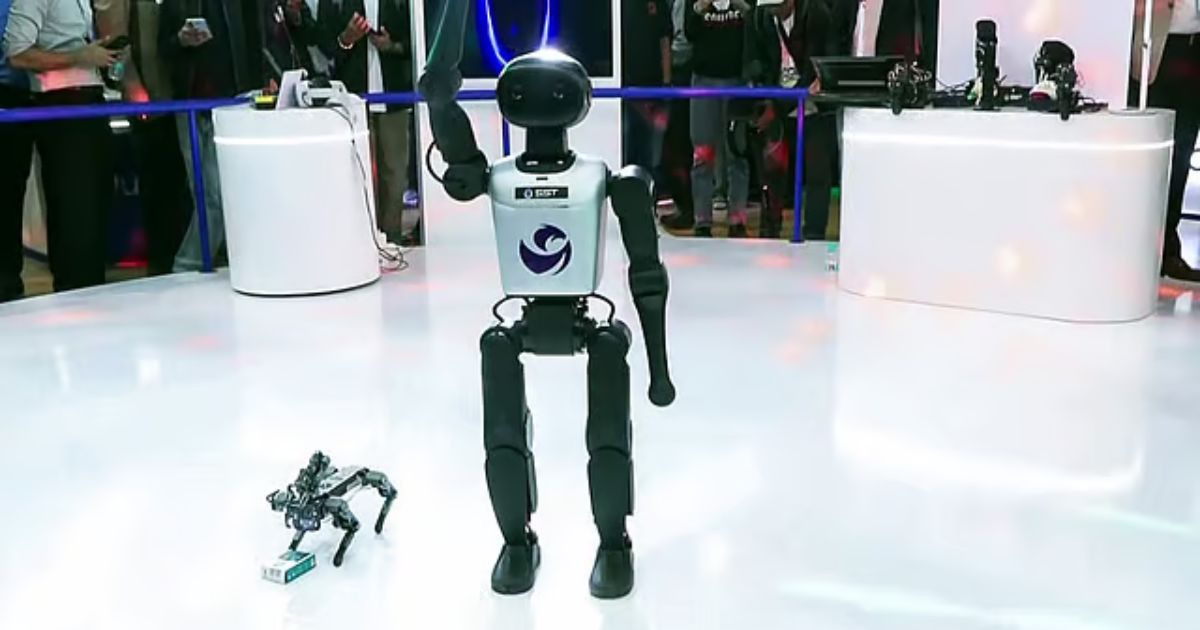
On the robotics front, Qualcomm used the summit to showcase its latest AI-driven robotics technologies, including humanoid systems and robotics processors that could power next-generation physical AI. The company presented a robotics suite to accelerate adoption across applications like household aid, industrial automation and autonomous machines.
Qualcomm also highlighted its new Dragonwing IQ-10 processor tailored for robotics tasks, hinting at how AI computing will increasingly shift from mobile devices into robots that can interact with the physical world.
Single Board Computers
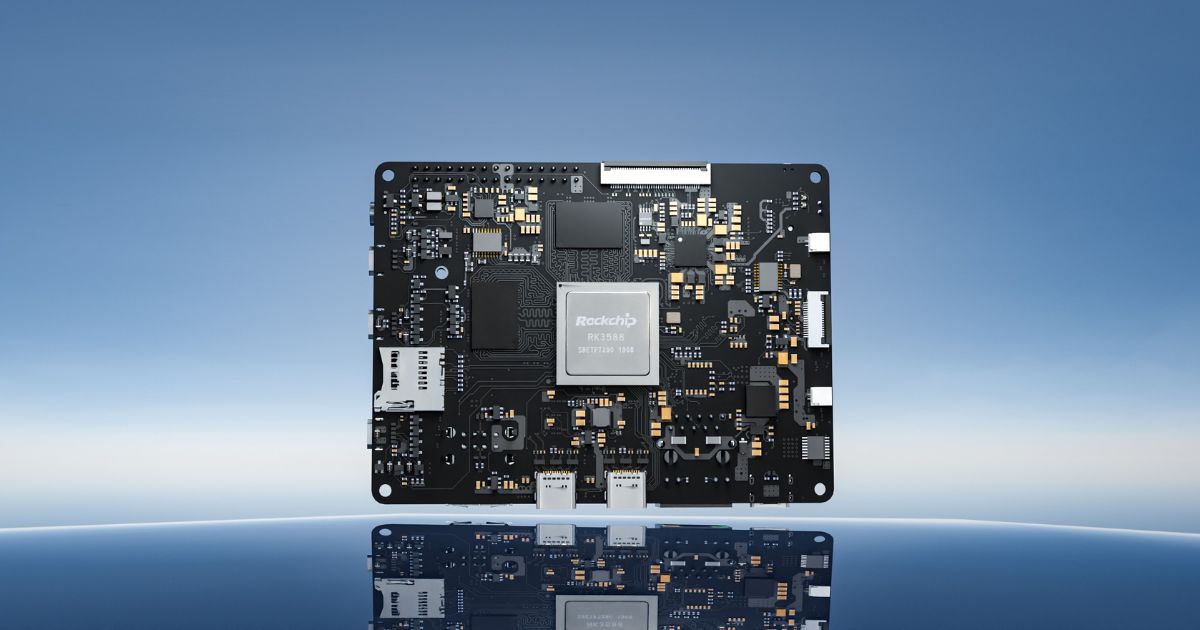
A startup called Vicharak showcased two of its core hardware offerings, called Axon and Vaaman. Here, Axon is an AI edge single-board computer powered by an eight-core CPU, GPU, and a dedicated NPU designed to handle tasks such as object detection and real-time inference on the device itself, making it useful for robotics, smart edge applications, and development projects.
Vaaman, on the other hand, is a reconfigurable edge computer that combines a six-core ARM CPU with a large-capacity FPGA, enabling powerful parallel processing and hardware acceleration for tasks like machine vision, object classification, and other AI workloads without a constant cloud connection.
That’s all for now. But all these developments at the ongoing AI summit make one thing clear: AI is now moving beyond software and taking shape with hardware devices. It also indicates that, going forward, AI-powered smart glasses will be the next big thing, as major companies are focusing on developing some form of smart glasses. We have already seen multiple companies showcasing their next-gen smart glasses at the recently concluded CES 2026, and even Apple is rumoured to be developing AI glasses, which are said to arrive sometime this year.