



AI glasses are no longer the experimental demos at the Consumer Electronics Show. This year at CES, we have witnessed lots of new AI smart glasses, which are now lighter, more practical, and more useful for everyday tasks.
We all know that the AR thing didn’t pick up due to its bulky size and expensive price tag. That’s why this year, companies took a different approach. At this year’s CES, there are many specialized AI glasses like audio-first glasses, productivity-focused displays, gaming AR, and even standalone glasses with built-in cellular connectivity.
Lenovo AI Glasses Concept
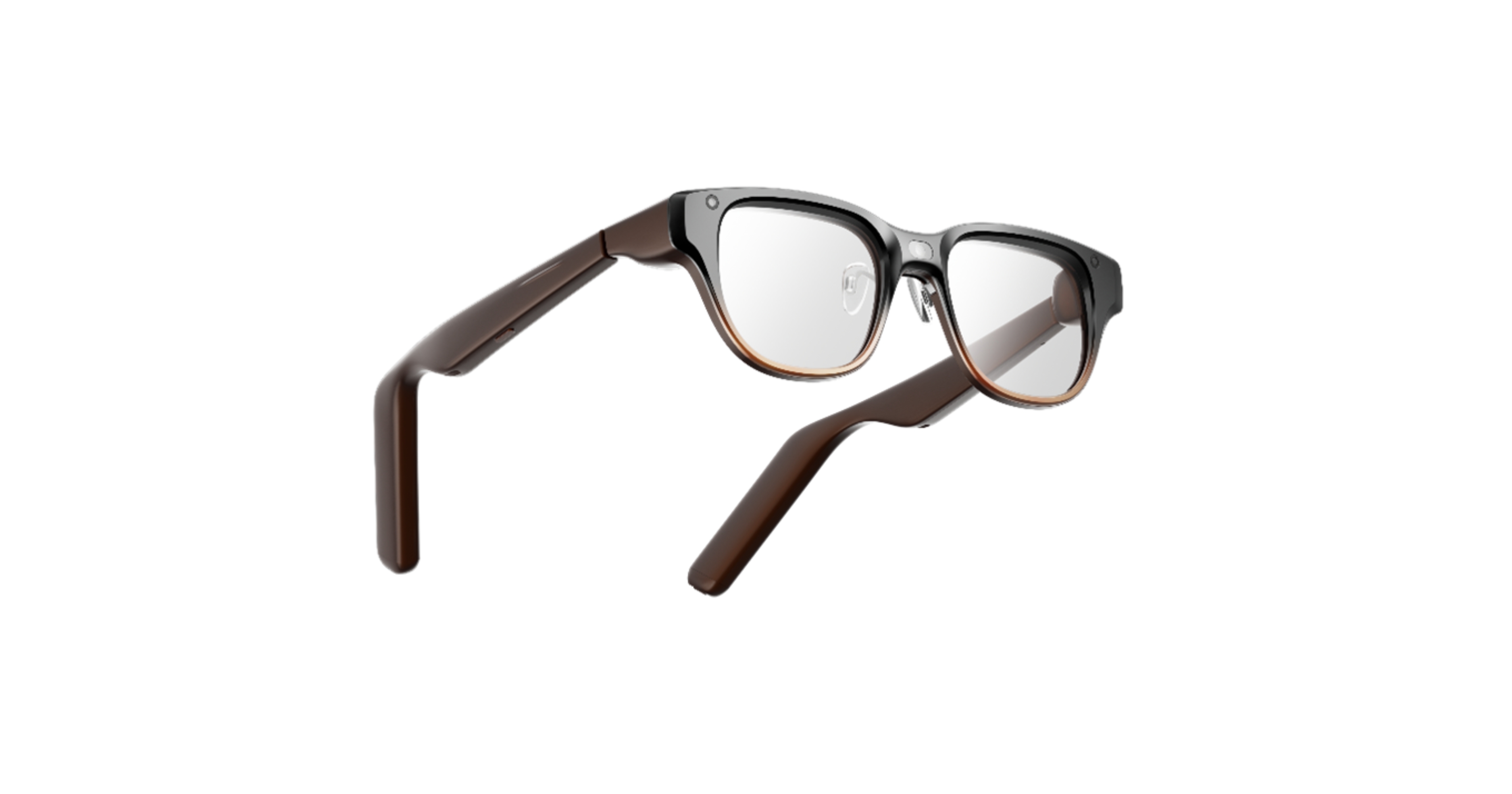
Lenovo showed its AI Glasses as a concept device focused on productivity and daily assistance. The design language is somewhat similar to what we have seen with Meta Ray-Ban glasses, which means wearing these glasses in public will not be an issue. The glasses weigh around 45 grams and connect to a smartphone or PC using Lenovo’s Qira AI platform.
It is packed with a binocular green monochrome display with a 28-degree field of view and 1,500 nits brightness. For the optics part, there is a 2MP camera placed above the nose bridge, and there are dual microphones and speakers.
The company highlighted features like real-time translation, image recognition, notification summaries across devices, teleprompter mode, and wellness tracking, such as posture and eye fatigue. Unfortunately, there was no mention of a commercial launch or price yet.
Rokid Style
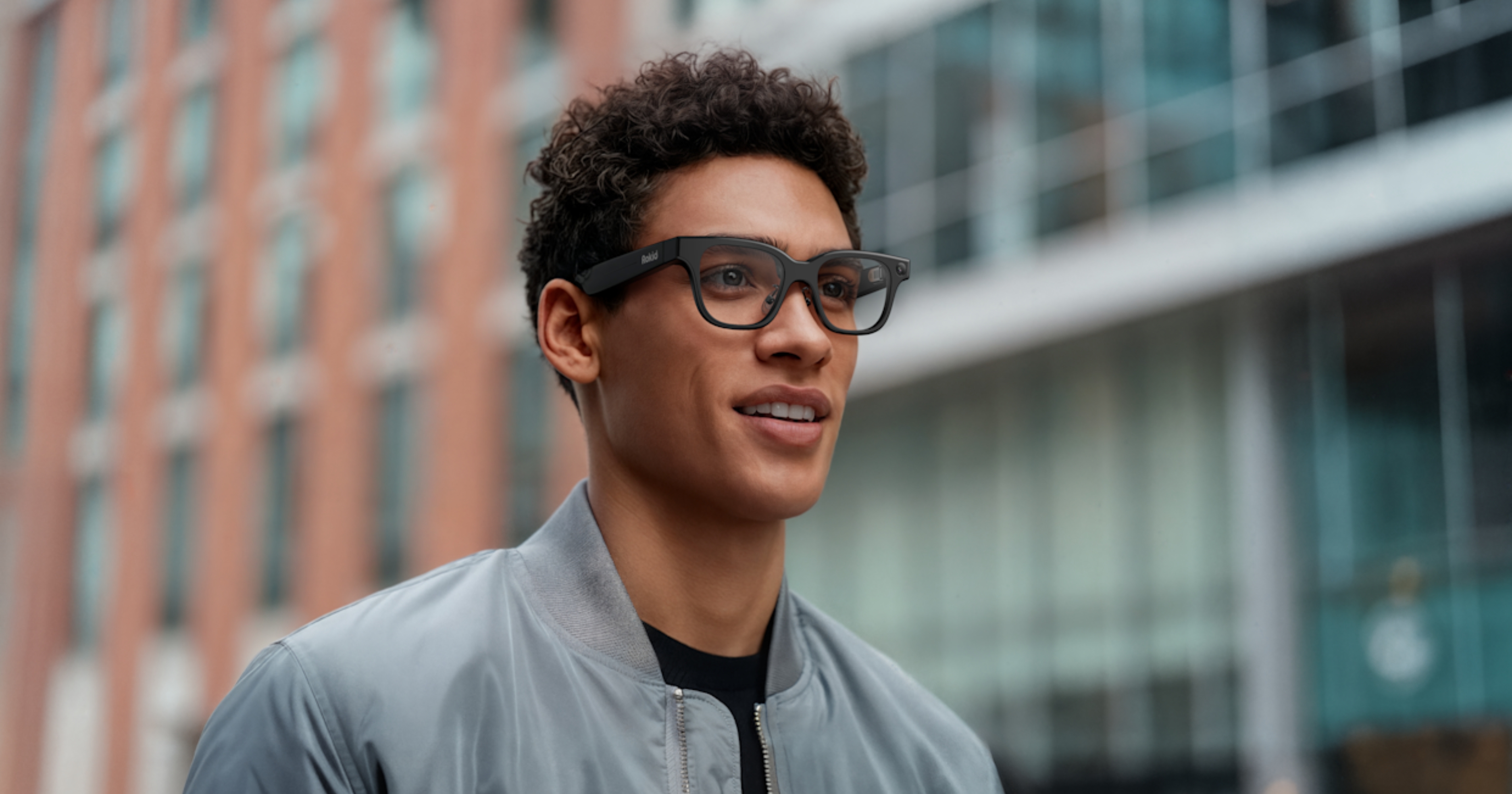
These are interesting AI glasses as the company has removed the display from the glasses in order to take a minimal approach. These AI glasses are designed for someone who wants voice-based assistance without AR visuals. The best part about these glasses is that they weigh just 38.5 grams and support prescription lenses.
Furthermore, the Rokid Style integrates ChatGPT and DeepSeek for AI queries, plus supports Google Maps navigation via audio guidance, and also supports Microsoft-powered translation. This is the most affordable AI glasses shown at the ongoing CES, as it costs just $300 and is set to make a global debut on January 19, 2026.
ASUS ROG XREAL R1
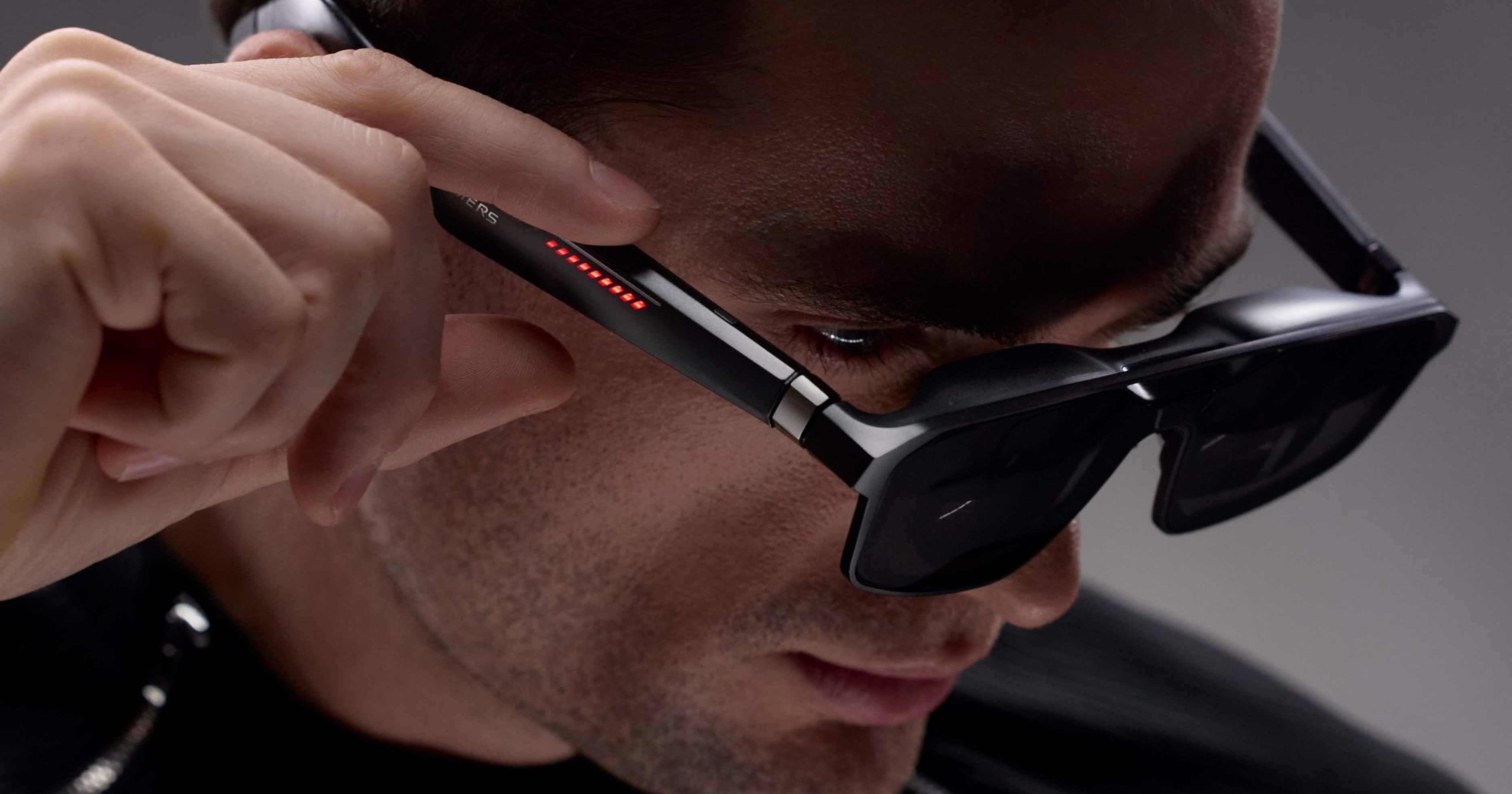
As the name suggests, these AI glasses are for gamers, which were developed in partnership with Xreal. It supports 1080p micro-OLED displays with a high 240Hz refresh rate and a wide 57-degree field of view.
Along with that, it also supports Electrochromic dimming lenses that help adjust brightness based on surroundings. The glasses connect to PCs and consoles using the ROG Control Dock. The company is planning to launch the ROG XREAL R1 in the first half of 2026.
Xreal 1S
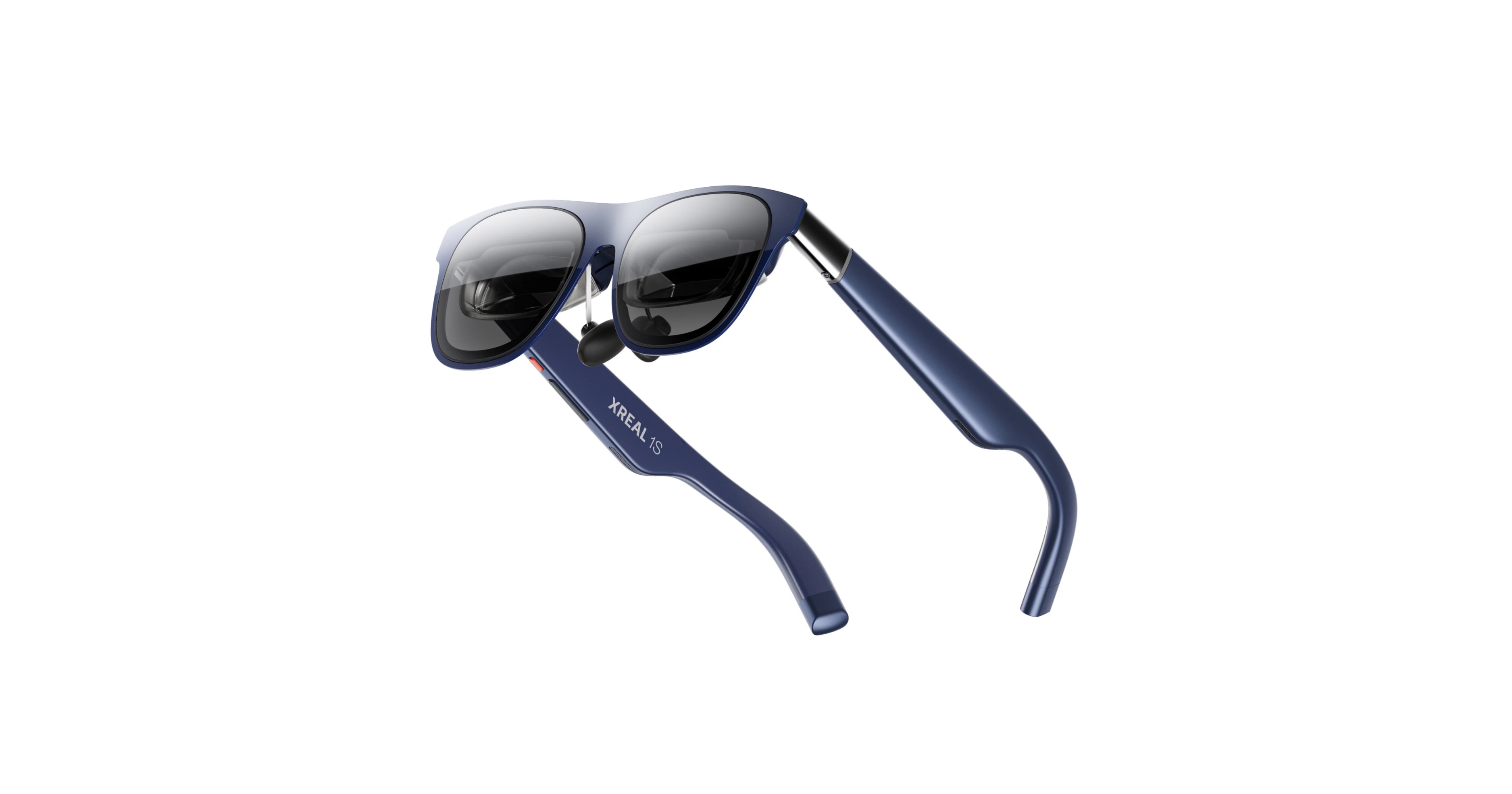
This is an upgraded version of the XReal One with a clear focus on better visuals and broader device support. It offers a 52-degree field of view, 16:10 1200p panels, and a 120Hz refresh rate.
However, the main highlight of these glasses is the Real 3D spatial conversion, which allows standard content to appear more immersive. The glasses also support the Neo Hub, which means they will support devices like the Nintendo Switch 2. The Xreal 1S is priced at $449 and is targeted towards users looking for a portable AR display compared to an AI assistance alone.
Vuzix AI-Powered Glasses
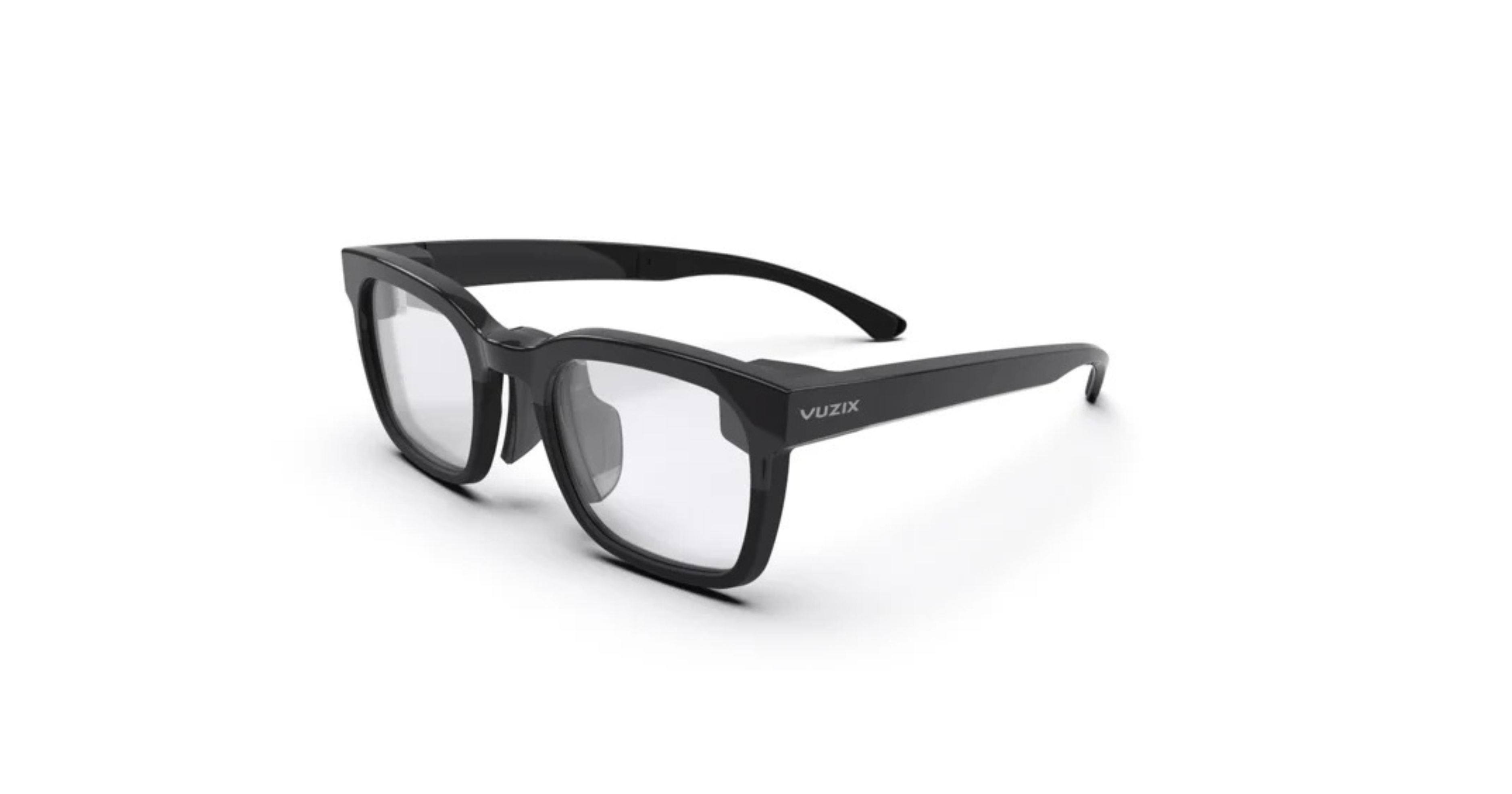
Vuzix showcased multiple AI glasses, which are targeted towards enterprise users, including the Ultralite Pro, Z100, LX1, and M400. These models use waveguide optics with microLED or LCoS projectors to deliver see-through displays.
Here, the company is focusing on AI-driven workflows for logistics, manufacturing, and field service. The demos at CEs showed how these glasses can assist workers with real-time instructions and data overlays.
XGIMI MemoMind One
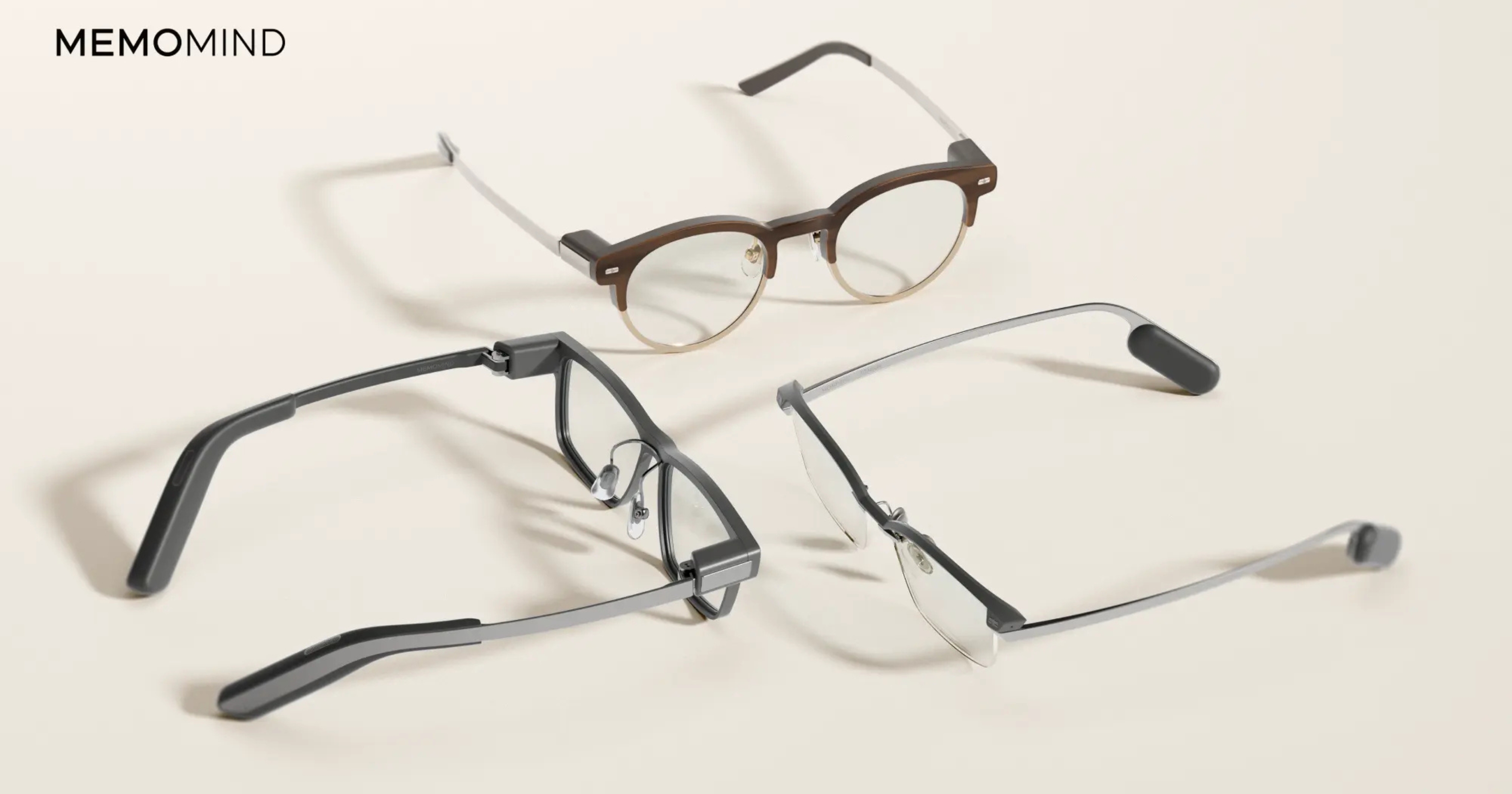
XGIMI has joined the bandwagon of AI glasses at CES 2026 with the new Memomind. The company has confirmed that Memomind will come in three models, and two of them are set to launch in the near future.
The lineup includes the Memo One, a more feature-rich model with speakers and a dual-lens display, and the Memo Air Display, which uses a single monocular display and focuses on a more traditional glasses-like design. Both models will offer AI features like translation, summarization, note-taking, and contextual guidance that will work in the background.
RayNeo X3 Pro – Project eSIM
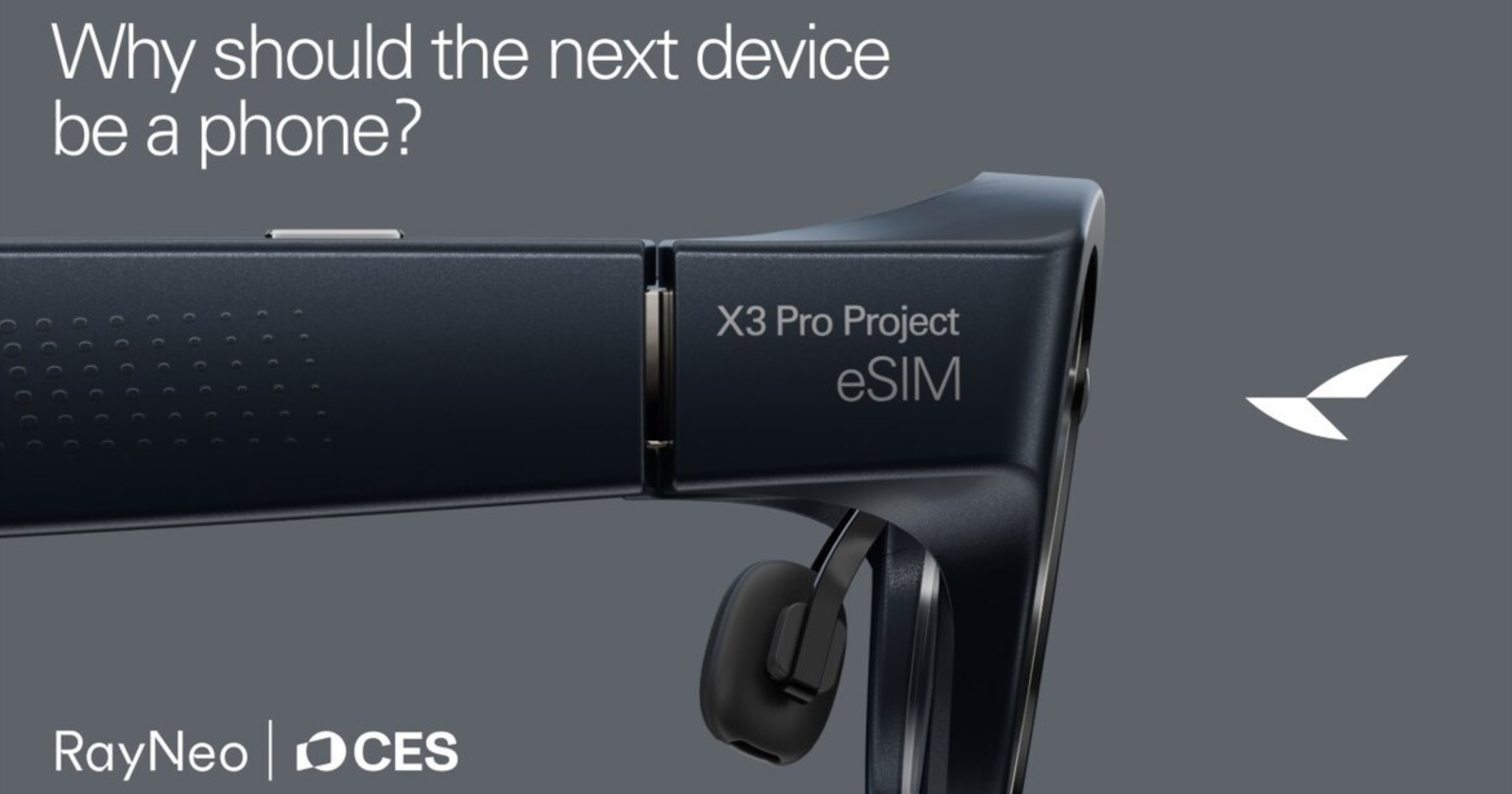
RayNeo showcased one of the most interesting prototypes at CES 2026 in the name of X3 Pro Project eSIM. It is said to be the first consumer AR glasses with a built-in eSIM. Which means these glasses have the potential to replace our smartphones.
Under the hood, the X3 Pro, Project eSIM draws power from the Qualcomm Snapdragon AR1 platform and features dual-eye full-color MicroLED displays equivalent to a 43-inch screen. There’s also a built-in camera that can capture photos and videos with instant cloud sync.
Meta Ray-Ban Display Glasses (New Features)
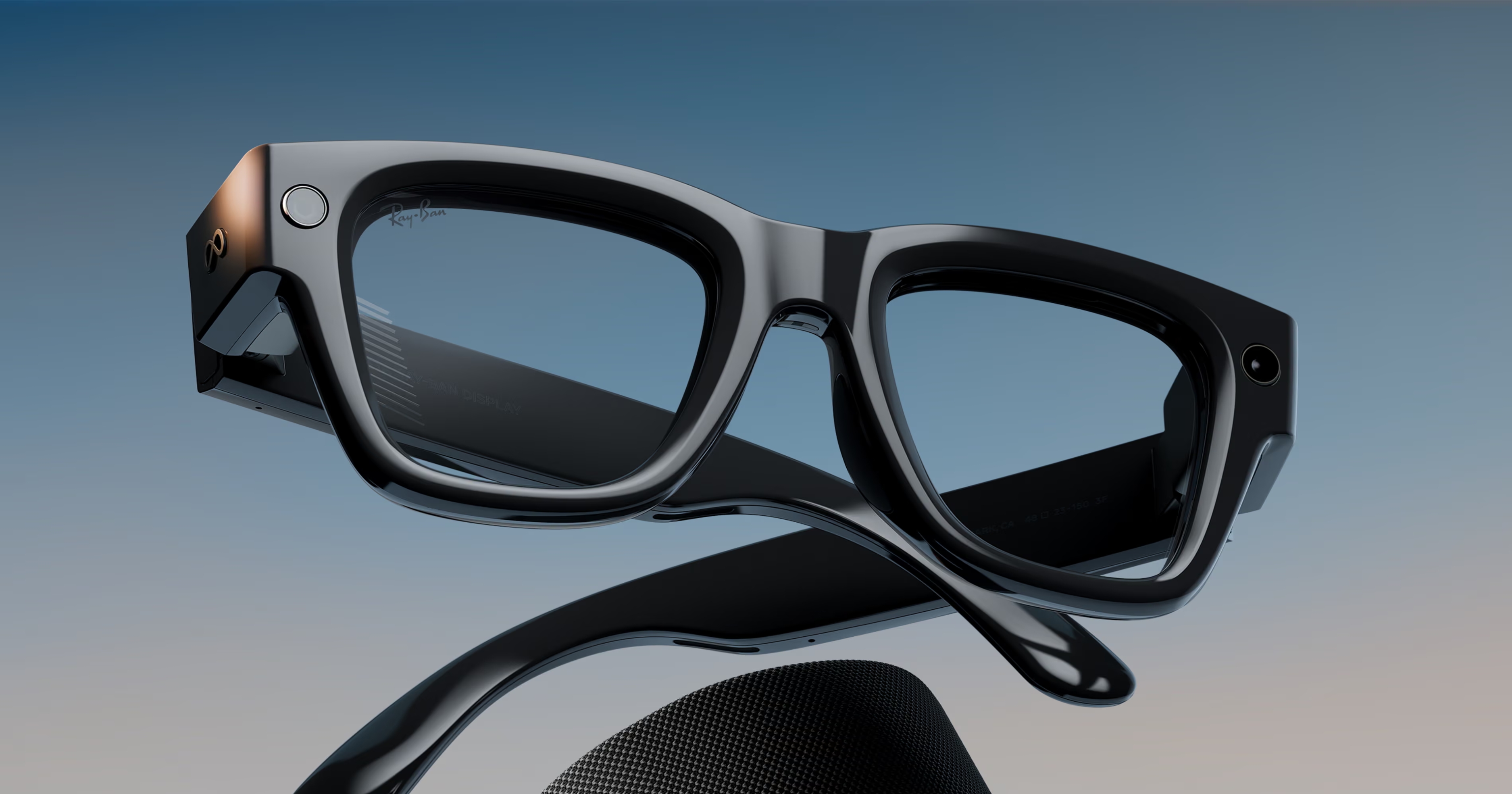
The biggest player in the AI glasses has not launched or showcased new hardware at this year’s CES. But the company did announce some big upgrades for its Ray-Ban display glasses launched in late 2025.
New features include teleprompter mode for speeches, virtual EMG handwriting using the Meta Neural Band, expanded walking navigation in more cities, Garmin integration for fitness data, and a car connectivity proof-of-concept. Apart from that, the battery life remains at 6 to 8 hours, with a charging case offering up to 36 hours.
Apart from that, the glasses feature a color display visible only to the wearer, a 12MP camera capable of 3K video, open-ear speakers, and touch and voice controls. Due to production limits, availability remains largely limited to the US.
Things to Keep in Mind Before Buying AI Glasses
If you are among those early enthusiasts looking to buy AI glasses in 2026, the first thing that you should keep in mind is whether you need a display or not. The audio-only glasses are lighter, cheaper, and easier to use daily. On the other hand, display-based models offer more features but are expensive and consume a lot more power compared to the audio one.
That said, battery life is still a limitation across most models, especially those with cameras and screens. Privacy is another important factor. Always check how visible the camera is and whether recording indicators are present.
Finally, avoid devices that promise too many features without a clear use case. The best AI glasses are the ones that help you throughout the day instead of trying to replace your smartphone.