



AI devices designed for kids are becoming more mainstream. They pack learning, interaction, and entertainment into compact packages that are easy for children to use. These gadgets can answer questions, tell stories, help with daily tasks, and spark creativity through voice commands and smart object recognition. Some lean toward education, while others work better as playmates or creative tools. If you’re a parent shopping for something engaging but not overly complicated, this guide breaks down some solid options worth considering.
Top AI Devices for Kids
Here are some of the best AI devices for kids, explained with their key features and how they can be used in real situations.
AIPI-Lite AI Robot
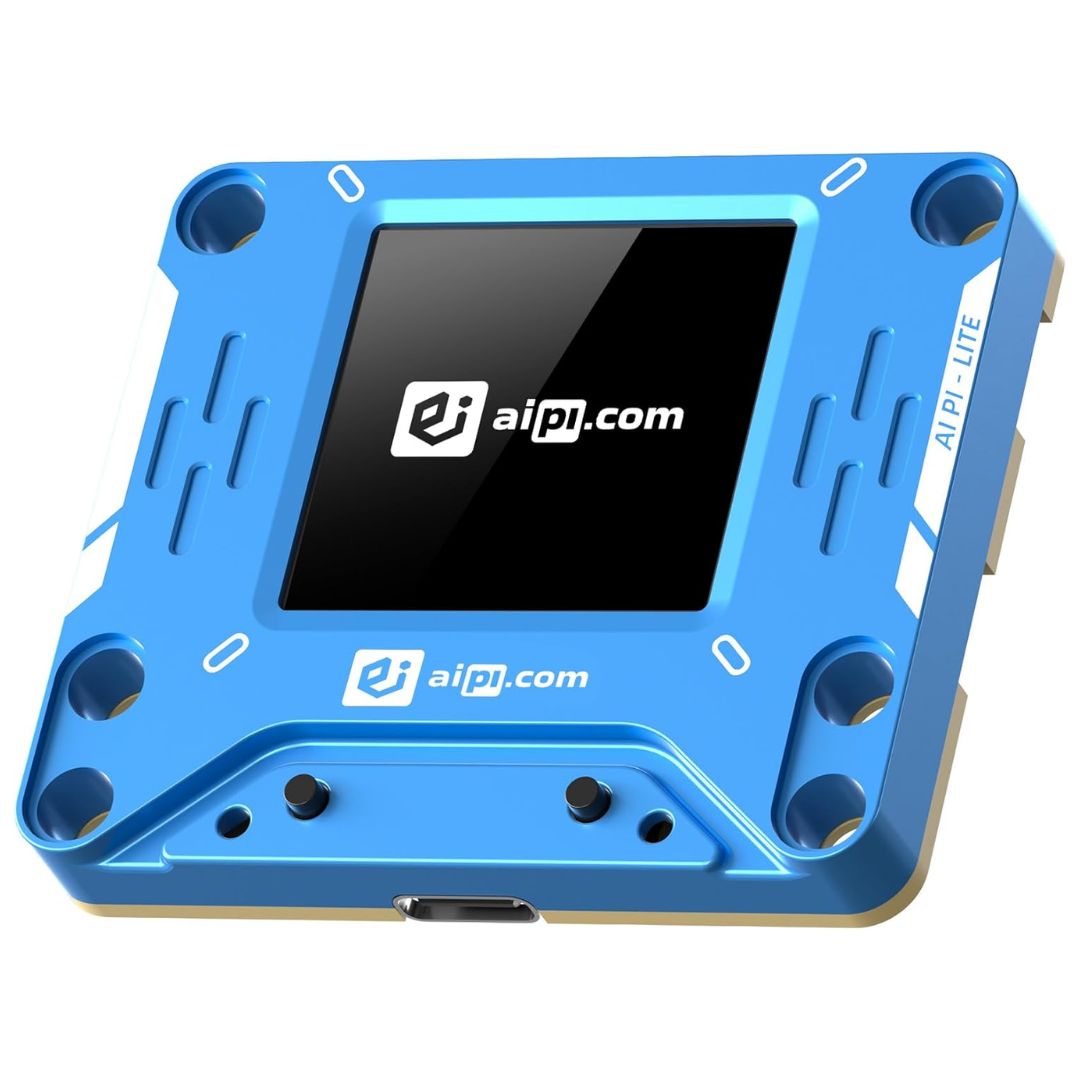
The AIPI-Lite works as a simple desktop companion. It’s built around voice interaction your kid talks to it and gets back conversational responses. What sets it apart is voice customization. You can pick different voice styles or even create custom ones, making interactions feel more personal.
It also has voice recognition built in, so it can tell different users apart and keep separate conversation threads. Think of it as a casual chatbot in physical form. You can ask it questions, tell jokes, or just chat. The small footprint and straightforward setup mean it fits on a desk or shelf without any complicated installation.
PRUNUS AI Companion Alarm Clock
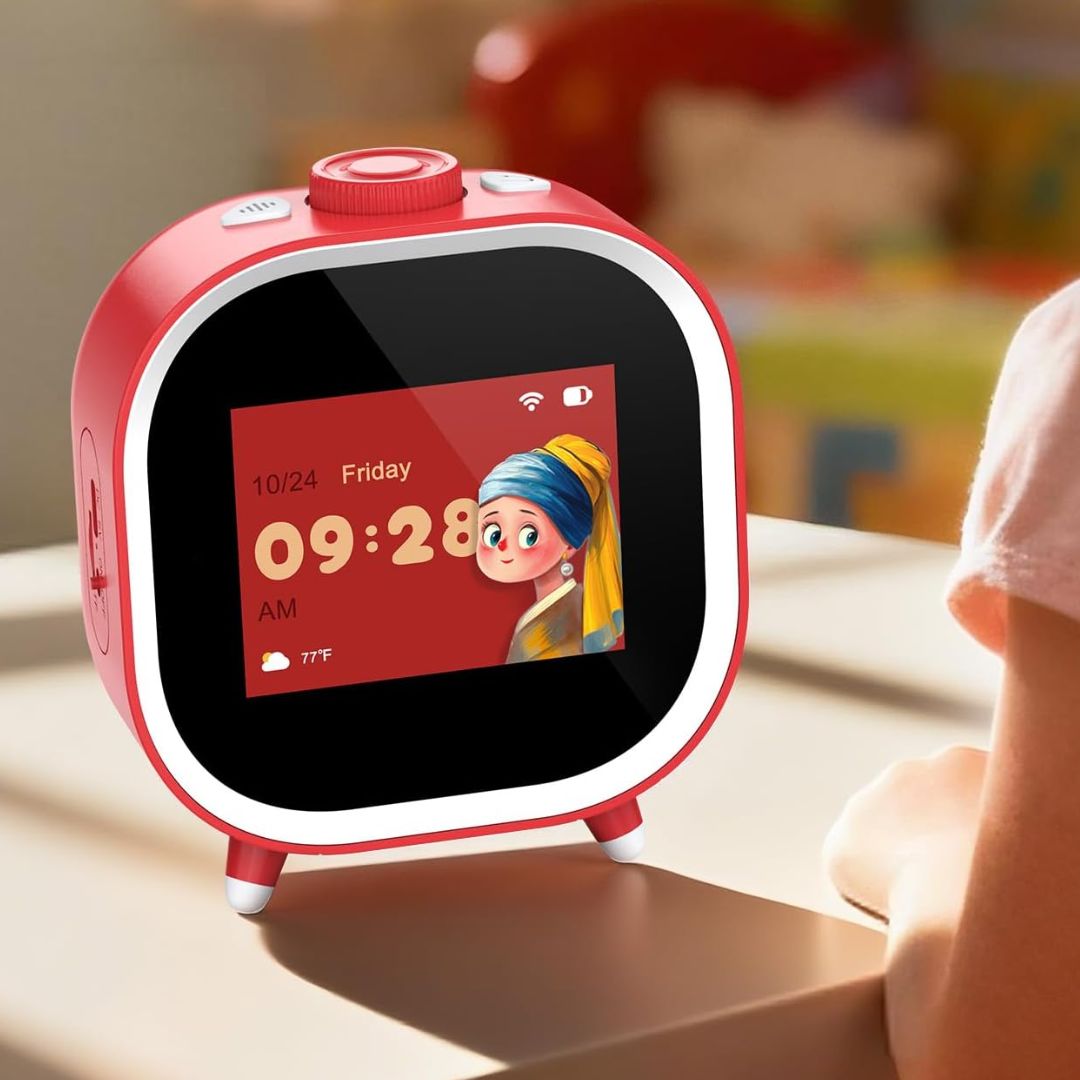
This one does double duty. You get a regular alarm clock, but it’s paired with an AI assistant. That assistant answers questions, tells stories, and helps manage your kid’s schedule. It’s actually useful for both learning and staying organized.
There’s also a Pomodoro timer, which works well for homework sessions where your kid needs to stay focused. Add in music playback and weather updates, and you’ve got a multifunctional bedside device that’s more than just a clock.
AI Robot for Kids (Sophia)
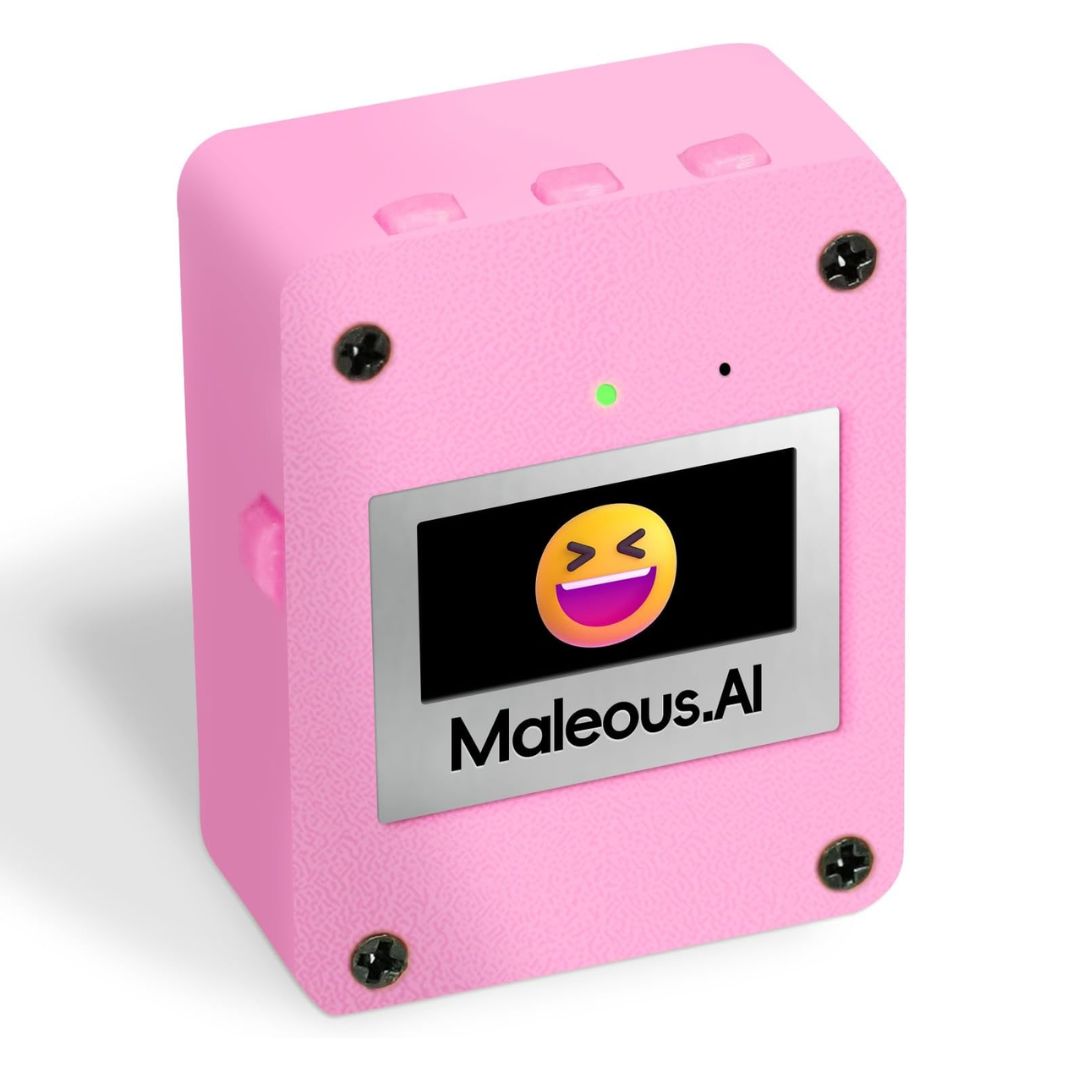
Sophia is a voice-first device with no camera. If privacy is a concern, that’s worth noting. Everything happens through voice, no screen to worry about. Your kid can ask it questions and get quick answers without needing apps or complicated interfaces.
It works as a basic home assistant too. Want weather, reminders, or the time? Sophia handles that. The simplicity makes it good for younger kids who don’t need a lot of bells and whistles.
AI Digital Camera for Kids
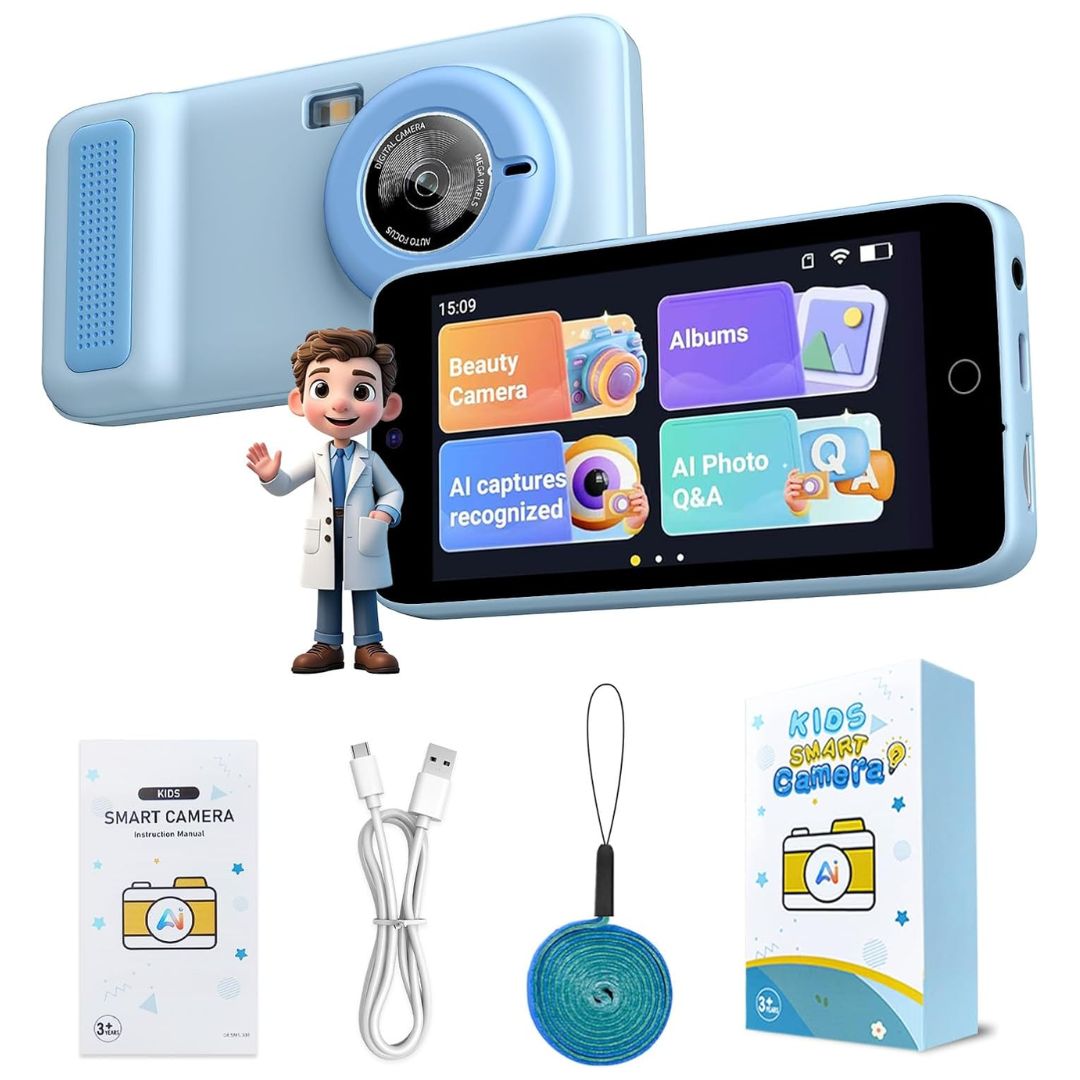
This device combines photography with learning. The built-in AI recognizes objects animals, plants, everyday things and gives simple explanations. It’s more than a basic camera because it turns exploration into a learning opportunity.
Voice features let your kid ask questions and get answers on the fly. Creative tools like filters, drawing, and basic editing keep things fun. The dual cameras and onboard storage make it practical for both learning activities and creative projects. It’s also built to handle being tossed around by kids.
AI Intelligent Learning Robot
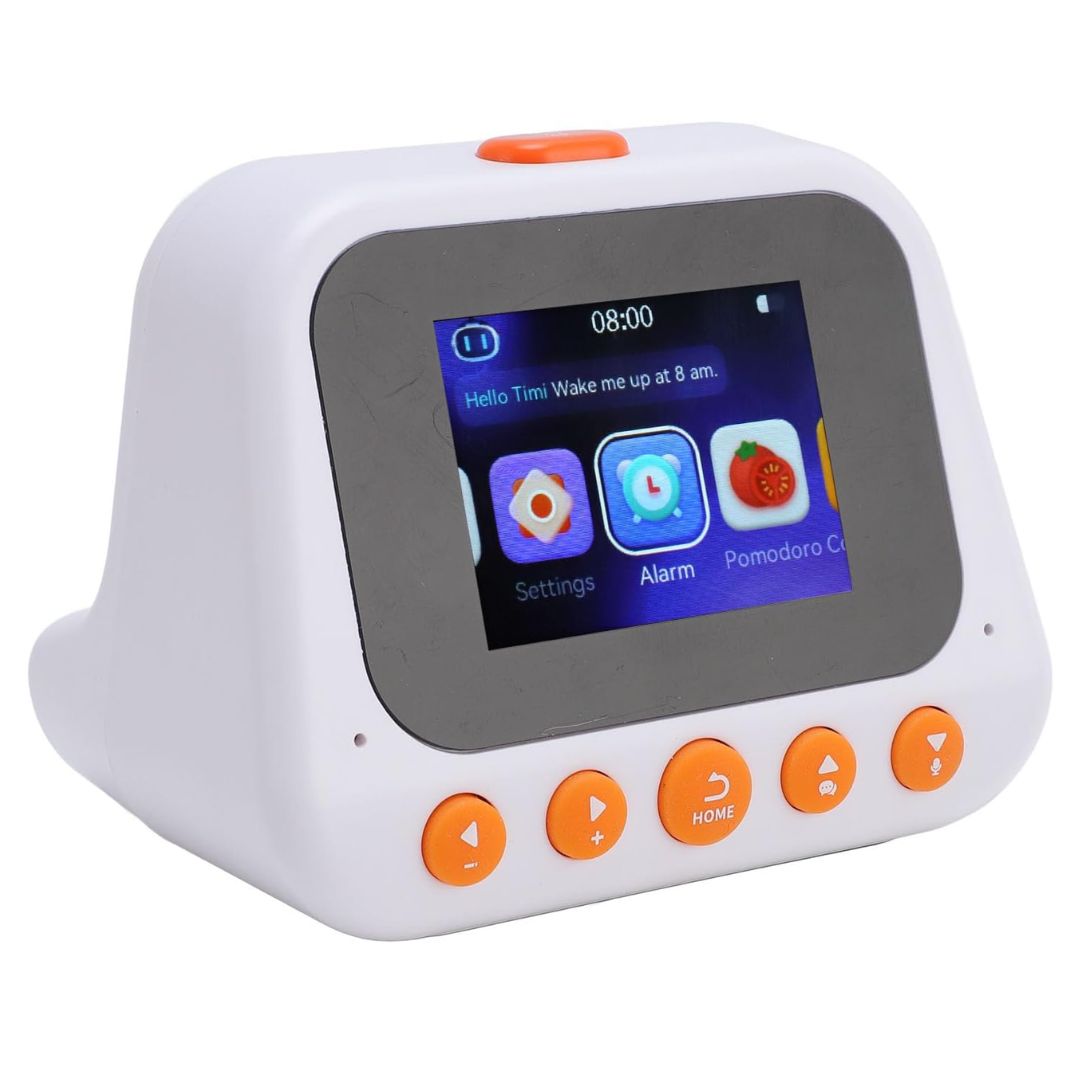
This robot acts as a voice-based learning companion. It answers questions, sends reminders, and helps organize daily tasks. The focus is on structured learning and time management. Features like scheduled reminders and habit-building tools help kids stay on track.
It’s mainly controlled through voice, keeping things simple for younger users. No complex menus to navigate.
RayCue Printy AI Mini Voice-Control Printer
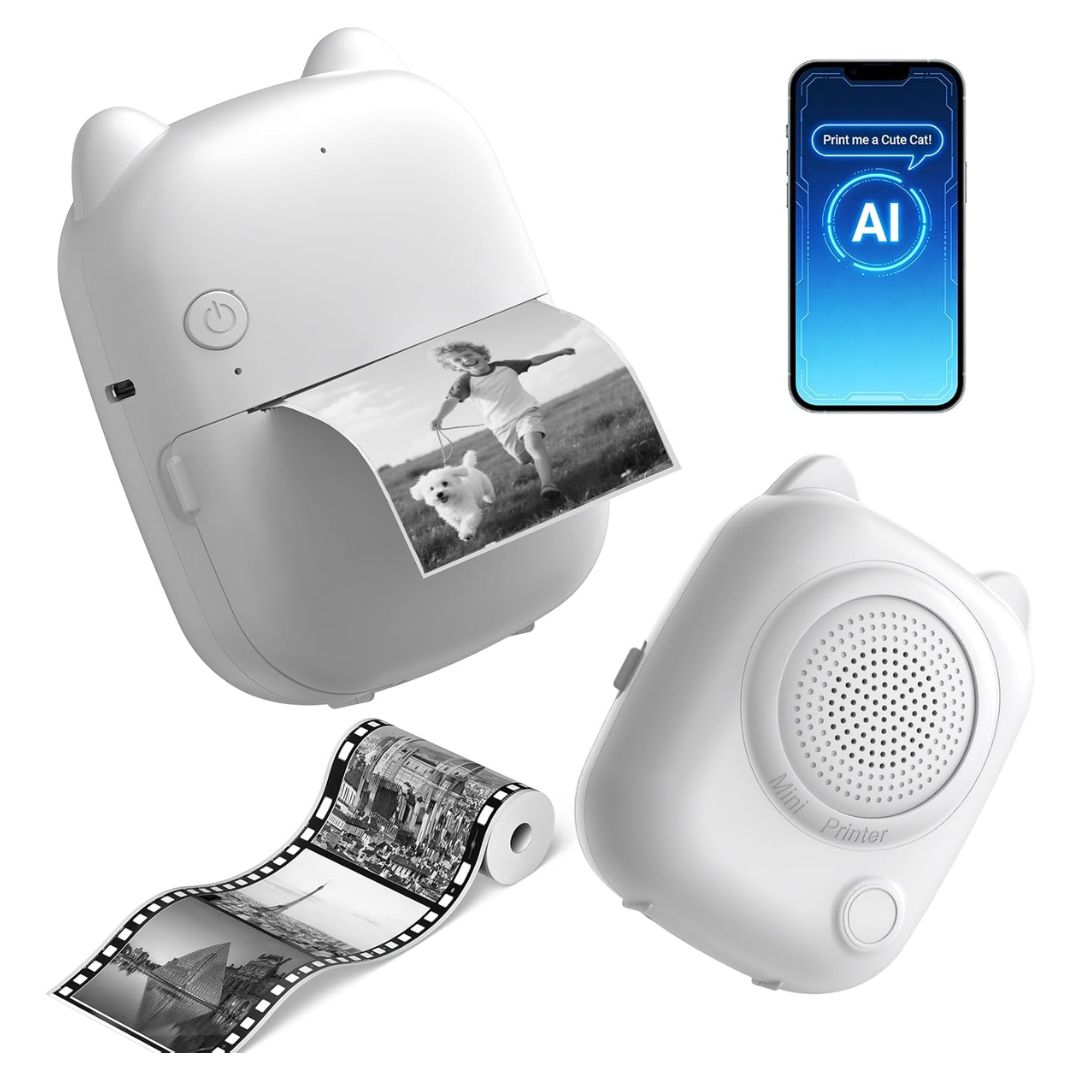
Here’s a creative tool. You tell it what to print, the AI generates content, and it prints stickers. It’s a satisfying way to turn ideas into something physical. The printer uses thermal printing, so no ink cartridges. It’s lightweight and portable too.
Safety features include controlled listening and filtered content generation. Beyond AI content, it can print notes, labels, and simple images. So it works for both creative and practical printing needs.
What to Look for When Buying
- Ease of use: Your kid shouldn’t need a manual to get started. Simple controls and straightforward features are better than packed menus.
- Safety and privacy: Check if the device limits data collection, uses voice controls without recording everything, or skips cameras altogether.
- Educational value vs entertainment: Some push learning harder while others focus on fun. Pick based on what matters to your family.
- Build quality: A device that survives drops and rough handling is worth the investment.
- Internet access: Most AI features need Wi-Fi, so make sure you have stable connectivity at home.
Each of these devices works differently. The right choice depends on your kid’s age, interests, and what you’re trying to achieve. Whether it’s homework help, creative fun, or just a tech-savvy companion, there’s an option here worth looking at.