



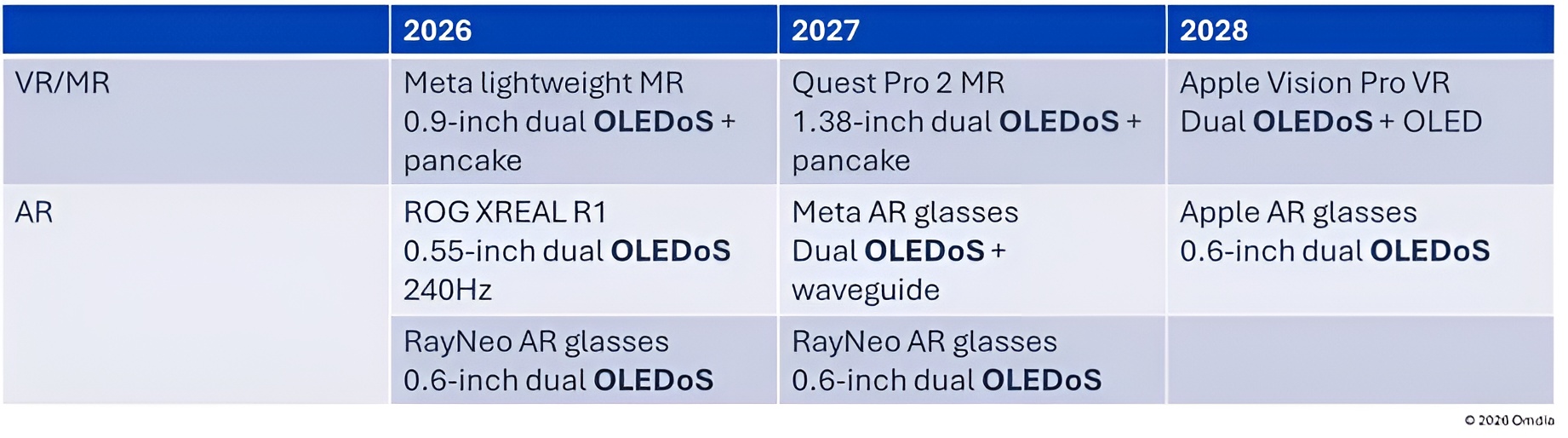
Apple’s long-rumored AR smart glasses may still be a few years away. A new report from market research firm Omdia claims that Apple is targeting a 2028 launch for its first true augmented reality glasses, putting it slightly behind Meta, which is expected to introduce its own full AR glasses in 2027.
This report comes at a time when Apple is reportedly reshaping its mixed reality strategy. The company is said to have deprioritized its Vision Pro headset to focus more on lightweight, AI-enabled smart glasses and future AR products. Which also makes sense, as the Vision Pro showed what Apple is capable of. However, its high price and limited adoption made it clear that smart glasses, not bulky headsets, are the real long-term opportunity.
According to Omdia, Apple’s AR glasses will feature dual 0.6-inch OLEDoS displays. This display technology, also known as Micro-OLED, builds OLED pixels directly on a silicon wafer instead of glass. It is said to allow extremely high pixel density, better power efficiency, and smaller components.
The displays are expected to work with a waveguide system, which projects images directly into the user’s eyes using micro-projectors and semi-transparent mirrors. This setup allows users to see digital content layered on top of the real world, even outdoors.
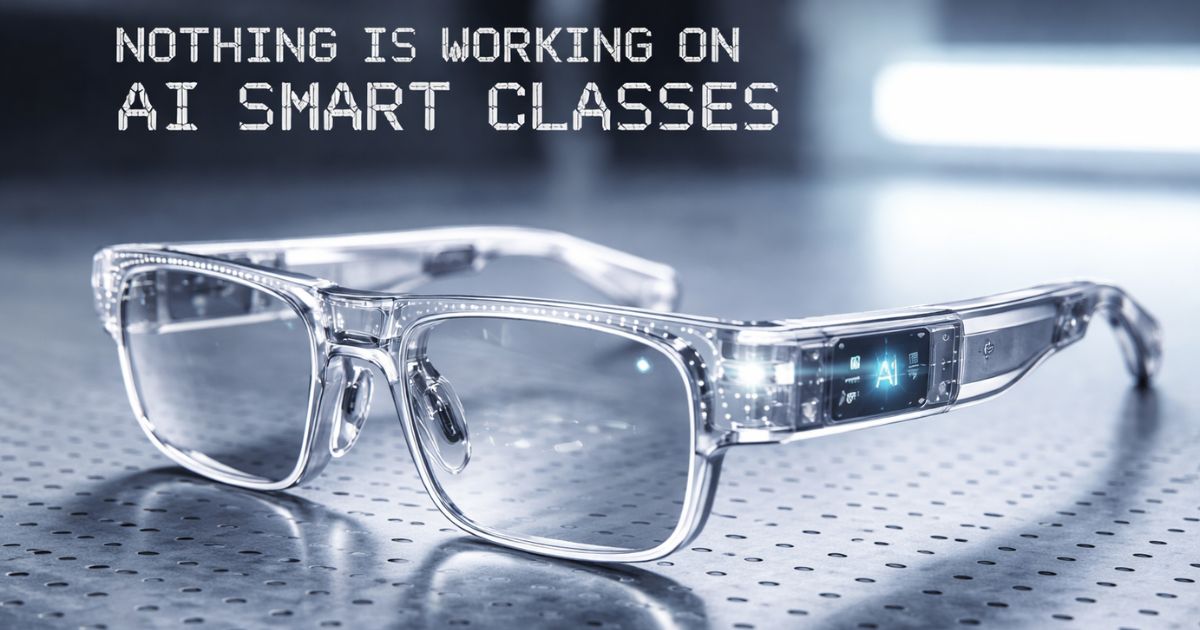
But don’t worry its not like we will not see anything from Apple until 2028. The report says Apple is planning AI-enabled smart glasses for launch in 2026. It is likely to pack cameras, microphones, and speakers. The only thing missing will be a built-in AR display. Instead, the focus will be on AI features backed by Siri.
In my view, this is a smart move. AR glasses are still expensive and technically complex. Launching AI glasses first allows Apple to build user habits and improve its AI ecosystem before introducing full AR hardware. It also helps Apple compete more directly with Meta’s existing Ray-Ban smart glasses, which have already gained decent traction.
Meta, however, is not standing still. Its current Ray-Ban smart glasses already offer features like 3K video recording, live AI assistance, and up to eight hours of battery life. The company also showcased its Ray-Ban Display smart glasses with a built-in display capable of showing text, videos, directions, and translations.
Apart from that, competition is expected to intensify even further this year. As the recently concluded CES 2026, we have seen smart AI glasses from Lenovo, ASUS, Rokid, and more all ready to make a debut in a year or two.