



AI devices for home are becoming more practical as they offer automation, smart controls, and intelligent features into everyday products. Unlike basic smart home tools these devices comes with AI capabilities like automation, voice interaction, personalization, and even visual intelligence.
From smart displays to connected hubs and AI-powered decor, the category is expanding at a record pace. Some devices focus on convenience and control, while others are designed to improve comfort or add interactive experiences to your living space.
In this guide, i have compiled some of the best AI devices for home, focusing on how they work and where they fit in a real-world setup.
SwitchBot AI Art Frame

Running on an e-ink screen that mimics the look of paper, the SwitchBot AI Art Frame stands apart from standard backlit displays. It pairs that display with AI-generated content, and because it does not emit light, you can place it in a bedroom or living area without worrying about glare.
You can generate artwork using AI prompts and push it directly to the frame, making it a customizable display rather than a static one. It supports scheduling, so the image can rotate based on time, events, or preferences. The frame works with the SwitchBot app and Alexa for voice control. A built-in battery enables a wireless setup, and since e-ink retains its image passively, the content stays visible even at low battery.
HoloBox Holographic AI Companion
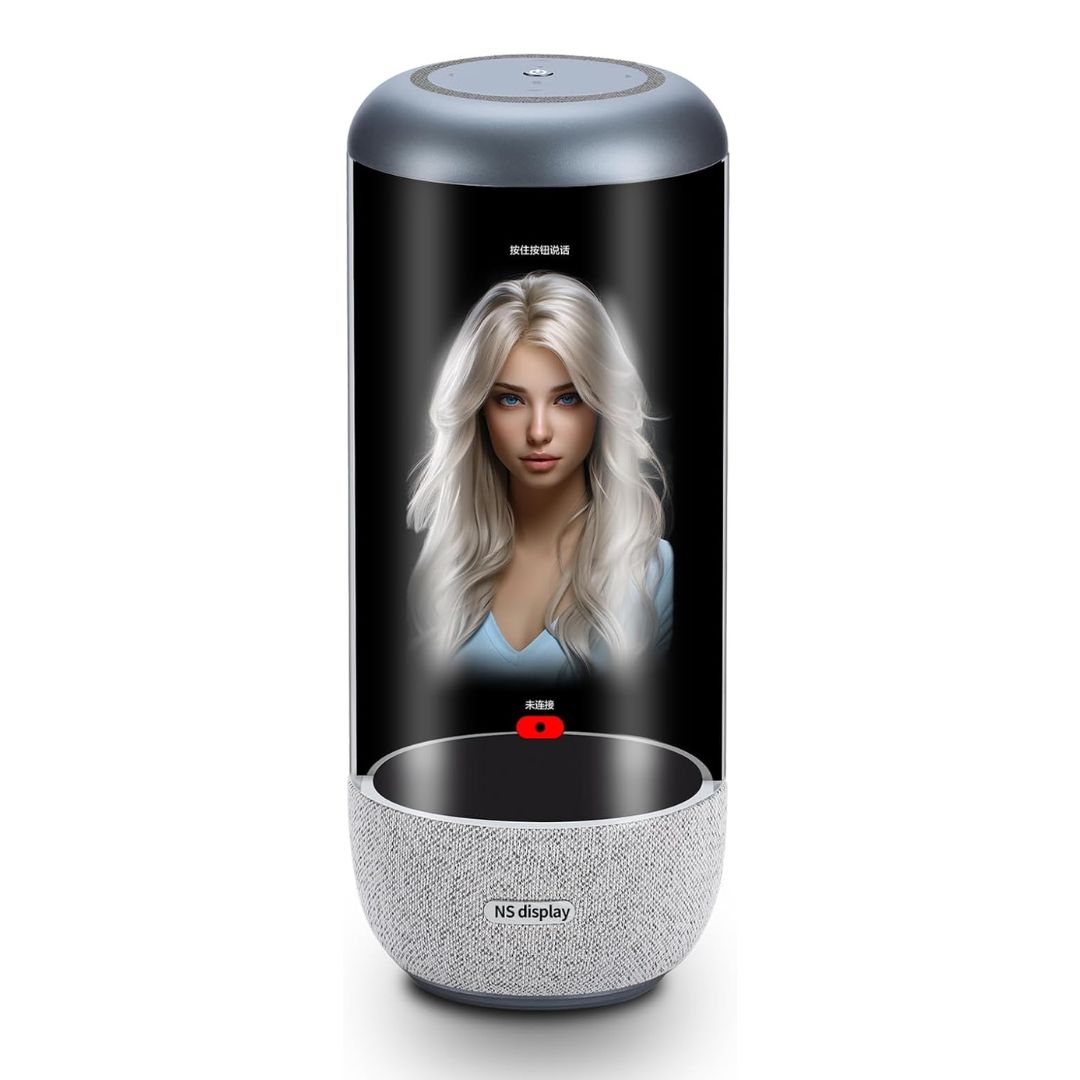
Unlike most smart home devices, the HoloBox projects a digital companion using holographic display technology and lets it respond to you in real time. Conversations are powered by AI, so you can talk to it, ask questions, or engage with the virtual character on screen.
Avatar options range from realistic human-like figures to stylized characters, and it supports multiple languages for broader usability. The focus here is on interaction rather than utility, giving users a sense of presence through visual and conversational engagement.
It has a compact form factor that fits into modern home setups, functioning both as a conversation interface and a decorative piece.
Tapo CentralHub
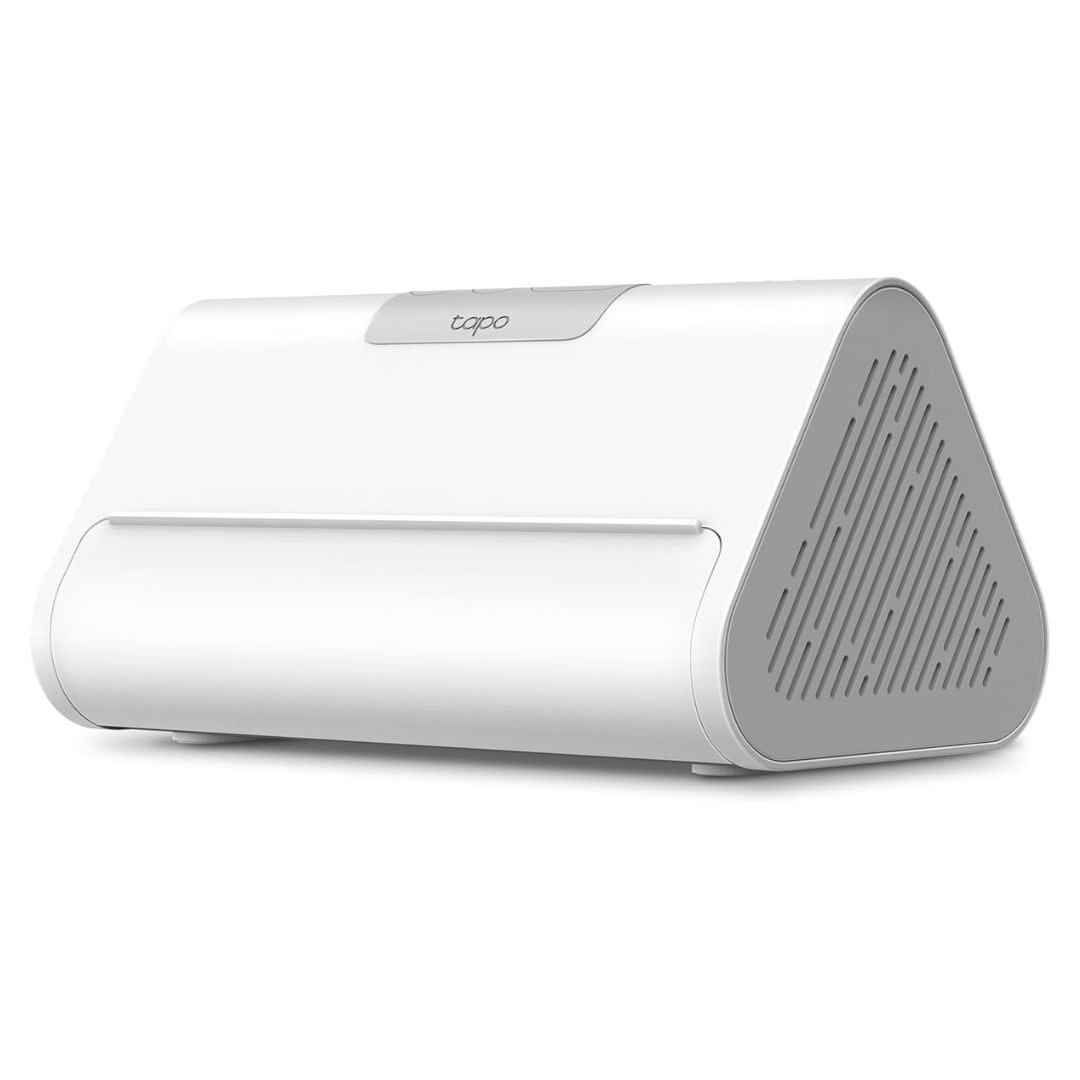
Managing multiple smart home devices across different rooms from a single interface is what the Tapo CentralHub is designed for. It connects cameras and sensors together so you can control and monitor everything in one place.
It supports local storage, so recordings do not have to rely entirely on a cloud subscription. Connected cameras gain facial recognition, which helps filter alerts by distinguishing between familiar and unknown faces.
There is also a built-in alarm and an HDMI output to cast live camera feeds to a larger screen. In short, it serves as a centralized control point for home security and monitoring.
Amazon Echo Show 15
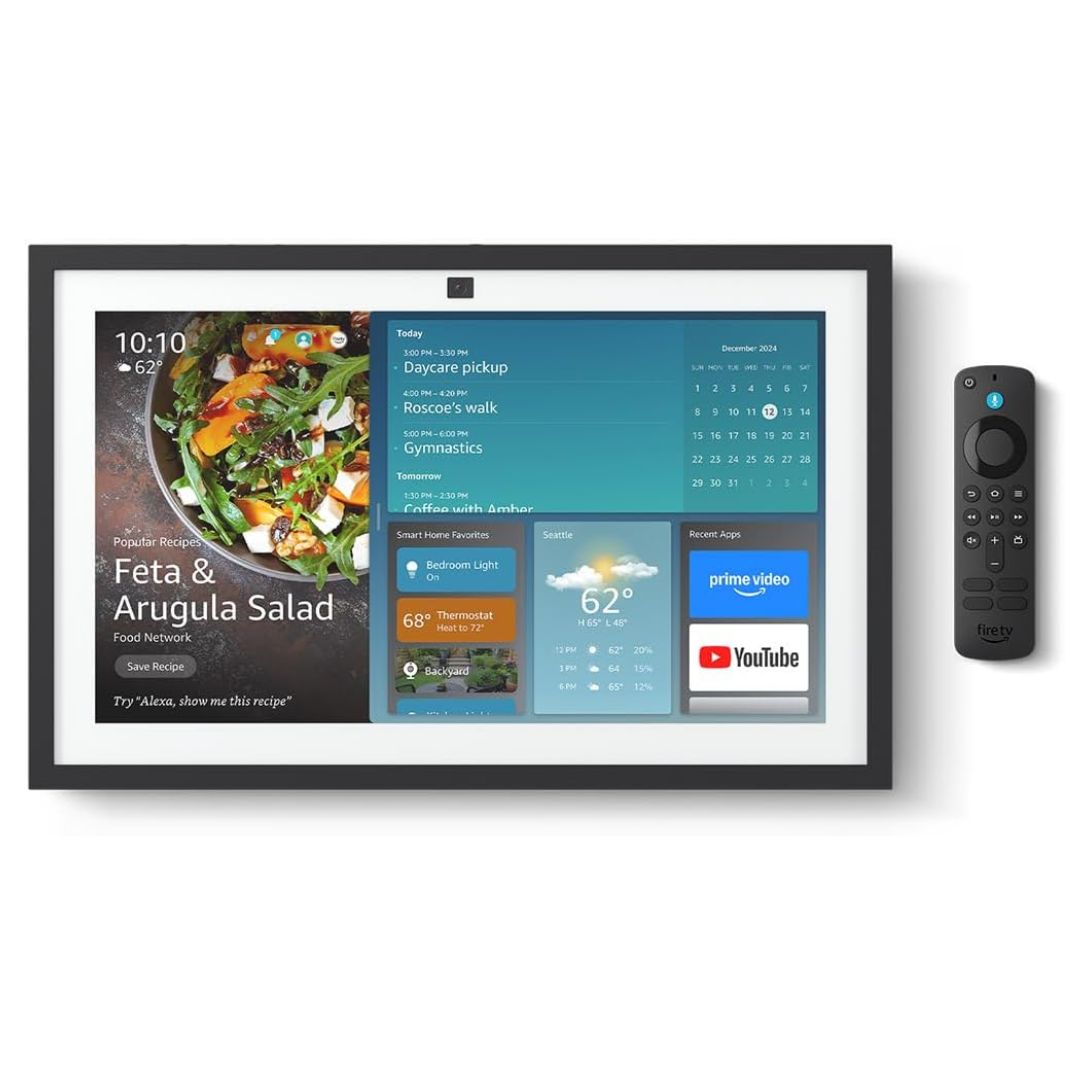
With a 15.6-inch full HD screen, the Amazon Echo Show 15 covers entertainment, home control, and daily organization in a single device. You can pull up calendars, reminders, and weather at a glance, which makes it a practical fit for shared spaces like kitchens and living rooms.
Built-in Fire TV lets you stream content from multiple platforms without any additional hardware. Video calling is supported via an auto-framing camera with noise reduction.
You can control smart home devices through voice commands or the touchscreen, and when the display is idle, it doubles as a digital photo frame.
SwitchBot Smart Candle Warmer Lamp

Rather than using an open flame, the SwitchBot Smart Candle Warmer Lamp melts candle wax using heat from above, cutting down on smoke and fire risk. It is a smaller AI-enabled home device focused on comfort and automation, and the flameless design makes it a safer option for homes with pets or children.
It works with app control and voice commands, letting you adjust brightness, set schedules, or automate when it turns on and off. Matter compatibility means it can connect with other smart home devices such as lights or sensors. It is not a complex AI product, but it brings automation to a standard household item without requiring any major setup.
Things to Keep in Mind While Buying AI Devices for Home
- Use Case and Purpose: Some devices are designed for entertainment, while others focus on automation or security. It is important to choose based on actual needs.
- Compatibility with Smart Home Systems: Check if the device works with platforms like Alexa, Google Home, or Apple Home for better integration.
- Connectivity Requirements: Many AI devices depend on stable Wi-Fi connections for full functionality, especially for cloud-based features.
- Privacy and Data Handling: Devices with cameras or microphones may collect data, so it is important to review privacy settings and controls.
- Installation and Setup: Some devices are plug-and-play, while others may require more setup depending on the home environment.