



Smartphone storage capacities are expected to go up in 2026, not down, even as NAND Flash prices rise and supply stays tight. A new report from TrendForce says average smartphone storage will grow by 4.8% this year, driven largely by the increasing demands of on-device AI.
The conventional expectation was that higher NAND costs would push brands to ship lower-storage variants to protect margins. But that hasn’t happened, and AI is the main reason why.
Modern AI features, like Apple Intelligence 2.0 and Huawei’s HarmonyOS AI, run locally on the device and need a significant chunk of storage just for cache space. TrendForce estimates this can range anywhere from 40GB to 60GB. That alone is pushing manufacturers to bump up base storage tiers rather than cut them.
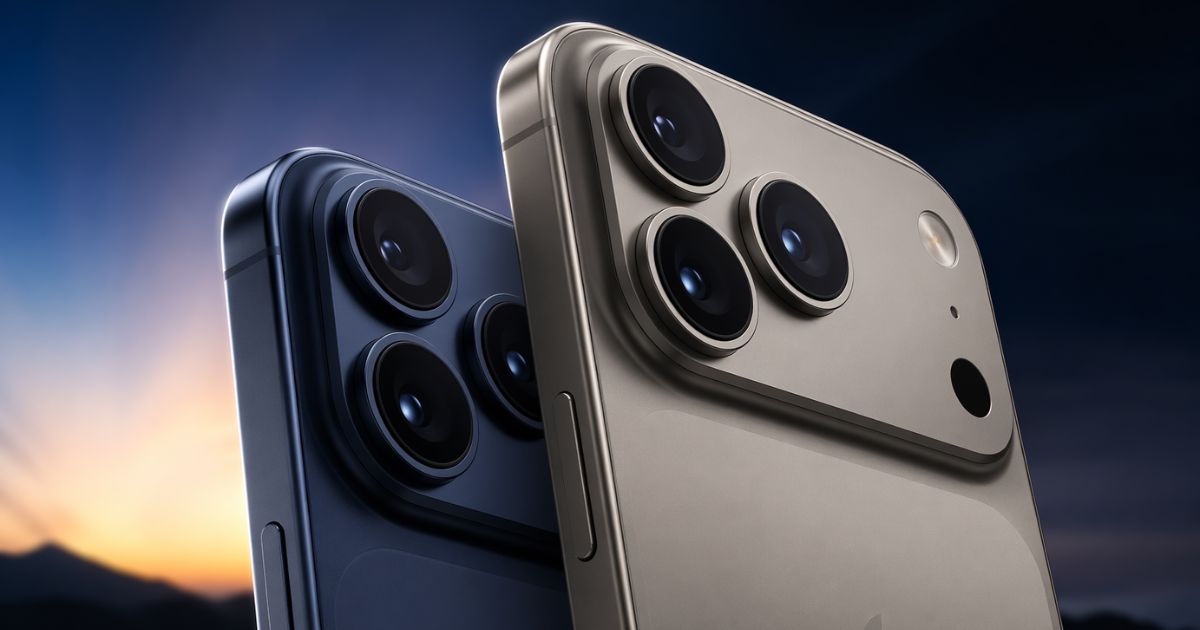
Apple is a clear example of this shift. The iPhone 17 lineup dropped the 128GB base model entirely, starting instead at 256GB. The same is true for the iPhone 17e. The company’s reasoning lines up with what TrendForce is describing, more storage is needed to handle both AI workloads and regular user data.
But Apple isn’t the only one moving in this direction. According to TrendForce, smartphone brands across the board are phasing out lower-capacity models. There’s also a manufacturing angle: upgrades to NAND Flash production processes are leading to a passive increase in storage capacities, even when supply is constrained.
That said, not every segment will see equal growth. TrendForce points out that Apple’s move to higher base storage means iPhones will see faster average storage growth compared to Android devices in 2026. Premium Android brands are better placed to absorb rising memory costs, and higher storage tiers also give them a way to justify premium pricing while enabling more advanced AI features. Budget and mid-range segments are likely to see slower movement.
So at the end of the day one thing is clear that rising component costs aren’t shrinking smartphone storage in 2026. If anything, AI is pushing it in the opposite direction.