



HyperX showed a prototype of its new AI gaming headset at CES 2026, which is said to measure a player’s focus directly from their brain. The headset is being developed in partnership with Neurable, and it uses brain signals to track attention, fatigue, and cognitive readiness.
The headset relies on electroencephalography, or EEG, which is typically seen in research and medical devices. But the interesting part is that, unlike bulky headgear, HyperX and Neurable have embedded EEG sensors inside the earcups. These sensors slightly touch the skin around the ears and capture the brain’s electrical activity during gameplay. And the best part of the headset is that a user does not have to wear anything intrusive.
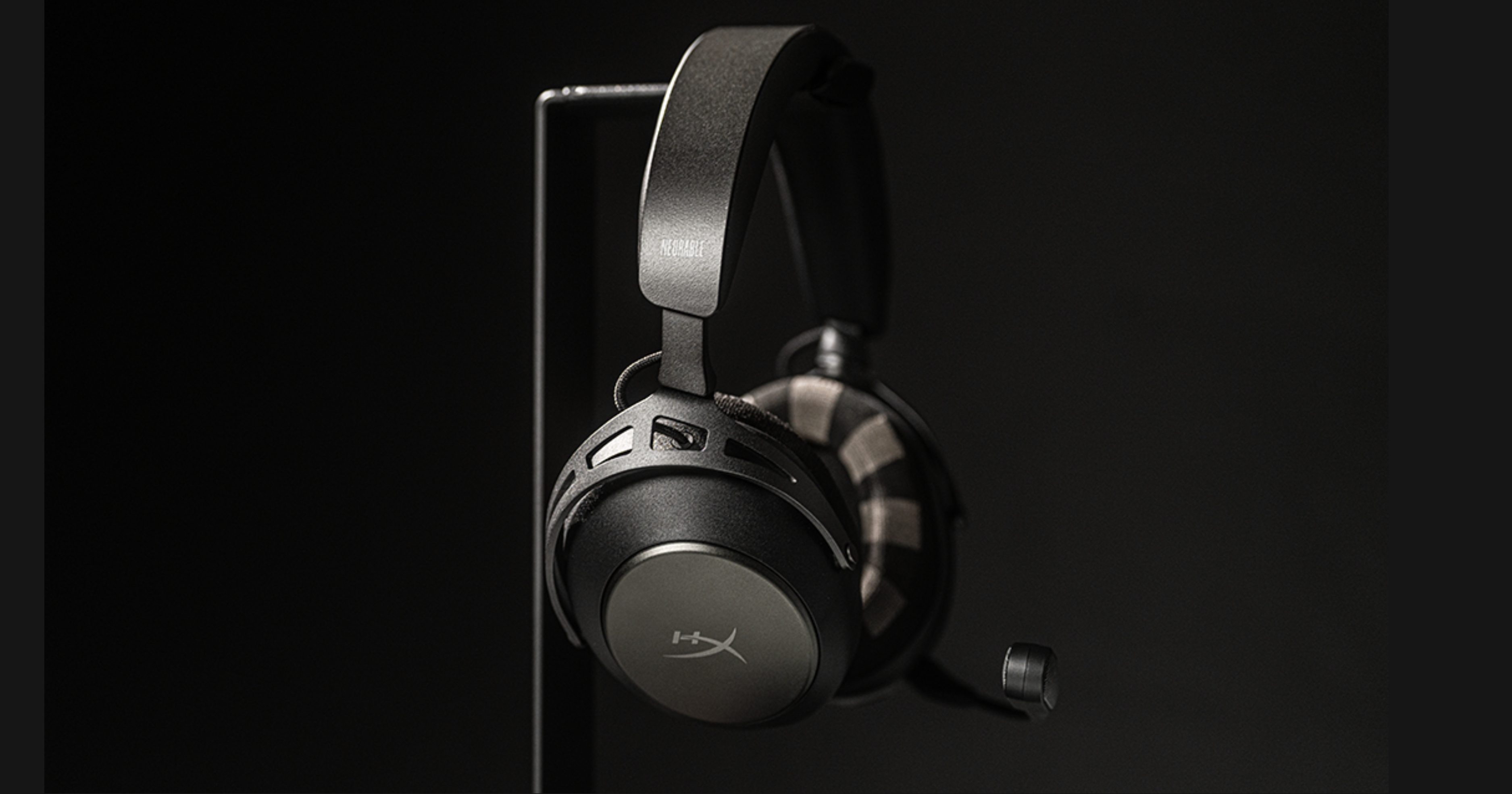
The system processes these signals in real time using AI models trained to detect patterns associated with focus and mental strain. It does not read thoughts or emotions. Instead, it estimates how engaged or distracted a player is at any given moment. After that, the data is visualized on screen, giving immediate feedback on mental state.
The headset is targeted towards gamers, and during the live demos at the ongoing CES 2026, players were able to see their focus levels rise and fall while playing fast-paced aim training games. Apart from that, another interesting feature shown was cognitive priming, which helps players reach an optimal mental state before a session begins.
Neurable claims that repeated use of its neurofeedback system can deliver big improvements. These include reaction times improving by around 40 milliseconds and aim accuracy increasing by 1.5 to 3 percent through priming exercises that reduce visual distractions as focus sharpens. The system can also flag mental fatigue and suggest breaks, which Neurable says can improve overall productivity by one to three hours per day.
Now, someone might think What’s the real benefit of this headset? In competitive gaming, mental endurance often matters more than reflexes alone. A tool that alerts players when concentration is slipping could help reduce burnout, improve practice efficiency, and prevent overtraining.
Instead of guessing when to take a break, players get direct feedback from their own brain activity.
This also means that the headset might not make sense for an average gamer like me. But it makes a lot of sense for professional esports players. In games like Counter-Strike or StarCraft, where split-second decisions can decide matches, even small gains in focus can translate into real competitive advantages. And over time, this kind of cognitive data could become as valuable to esports teams as physical metrics are to traditional athletes.
It is important to note that the headset shown at CES 2026 is still a prototype. HyperX has not announced a price, release timeline, or supported game list. Plus, long-term comfort, accuracy during extended sessions, and real-world reliability remain questions.